
Senegal Approves Sweeping Constitutional Reforms Shifting Executive Power to Parliament
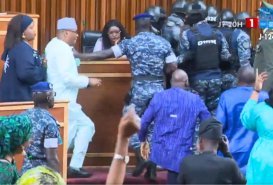
Senegal’s parliament approved major constitutional changes on 29 June 2026 that would significantly curtail presidential powers and bolster parliamentary authority, pushing through the legislation in a session marked by physical confrontation and protests outside the chamber.
The constitutional reform bill shifts substantial authority from the presidency to parliament and the prime minister, grants parliament enhanced oversight of the national budget, and introduces stronger accountability mechanisms across government institutions, all intended to rebalance power between the executive and legislative branches.
Police deployed tear gas to disperse demonstrators attempting to storm the National Assembly as lawmakers from the ruling Pastef party secured passage of the bill.
Opposition deputies largely boycotted the vote after one of their own, Abdou Mbow, was forcibly removed from the podium by gendarmes on the orders of Assembly President Ousmane Sonko. Mbow, a vice-president of the chamber and spokesman for the Takku Wallu Sénégal coalition, had seized the floor without authorisation to denounce the proceedings as undemocratic. When he refused repeated warnings to return to his seat, security personnel physically escorted him out, triggering an immediate walkout by remaining opposition members.
The bill, which includes enhanced parliamentary oversight of the budget and stronger accountability mechanisms, now heads to a national referendum announced by President Bassirou Diomaye Faye. The vote will give Senegalese citizens the final word on reshaping the balance of power.
The constitutional review lays bare deepening fractures within Senegal’s political landscape. Sonko, who assumed the Assembly presidency after a contentious parliamentary vote that defied the president, has emerged as a powerful counterweight to Faye. Tensions between the two former allies, who once campaigned together against the old establishment, have escalated since Faye dismissed Sonko as prime minister earlier this year.
As the country prepares for future electoral cycles, the referendum will serve as a critical test of public appetite for these changes. Observers warn that continued confrontations risk eroding trust in democratic processes at a time when economic pressures and regional instability already weigh heavily on the nation.
The coming weeks are expected to bring intense campaigning on both sides of the constitutional debate, with the outcome likely to shape Senegal’s political trajectory for years to come.
