
Burnham Reinstates £2 Bus Fare Cap Across England from January 2027
Prime Minister Andy Burnham has announced the reinstatement of a £2 cap on most single bus fares in England, effective from 1 January 2027, in his first major domestic policy announcement since taking office.
The measure reduces the current £3 cap introduced under the previous Starmer administration and aims to make public transport more affordable amid ongoing cost-of-living challenges. It builds directly on Burnham’s successful record as Mayor of Greater Manchester, where single bus fares have been held at £2 for the past four years.
Speaking on BBC Breakfast, Burnham said: “No one should be priced out of reaching the destinations they need to get to. Cheaper transport works — we’ve shown that in Greater Manchester, and now we’re delivering it for the whole country.”
The policy will apply for the entirety of 2027 and is backed by more than £500 million in funding. This includes £454 million reallocated from the Department for Energy Security and Net Zero — with £400 million shifted from international climate finance investments (converted from grants to loans) and £54 million in departmental savings — supplemented by existing Department for Transport bus funding.
Chancellor John Healey described the move as “easing the cost of living without burdening British taxpayers,” insisting the resources are being redirected rather than newly spent. Devolved nations will receive equivalent funding for their own cost-of-living measures.
The £2 cap was first introduced in early 2023 before rising to £3 at the start of 2025. Some areas, including Greater Manchester, retained the lower fare, while single fares in London currently stand at £1.75. The government says the previous £2 cap led to an extra 30 million bus journeys over 10 months.
Transport Secretary Heidi Alexander said the fare cut would help “keep people connected to work, school, healthcare and their friends and family.”
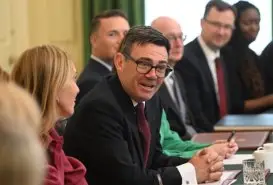
The announcement comes shortly after Burnham’s rapid rise to the premiership following Sir Keir Starmer’s resignation. Yesterday, he told his first Cabinet meeting that the government would be a “cost of living government” and urged ministers to explore ways to help in their areas.
The policy revives an earlier Conservative-era initiative and signals continuity with Burnham’s local success while differentiating his national approach. Supporters, particularly in northern England and among transport campaigners, have welcomed it as a practical step to improve access to jobs, education and services. Bus operators will receive compensation to cover the difference, though full implementation details are still to be clarified.
Critics from the right, including Reform UK’s Nigel Farage and Conservative leader Kemi Badenoch, have questioned the move’s sustainability and the government’s broader fiscal strategy. Some on the left have called for even bolder public transport investment.
As Burnham settles into No 10, today’s announcement offers an early glimpse of his domestic priorities: tangible, cost-of-living-focused interventions rooted in his municipal experience. Transport Secretary and other ministers are expected to provide further operational details to Parliament in the coming days.
