
Zimbabwe Opens First Lithium Processing Plant, Becomes Africa’s Top Producer
Zimbabwe has brought its first lithium processing plant into full operation, marking a major step in the country’s drive to end the wholesale export of raw minerals and capture more value from its natural resources.
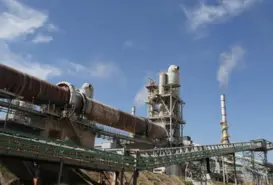
The $400 million facility, owned by Chinese company Prospect Lithium Zimbabwe and located at Goromonzi about 30 kilometres east of Harare, became fully operational in May. It produces lithium sulphate, an intermediate product on the path to battery-grade materials. Mines Minister Polite Kambamura described the plant as the first of its kind on the African continent.
The development follows the government’s decision in February to freeze exports of raw lithium concentrates ahead of a full ban scheduled for January 2027. The policy requires in-country value addition and beneficiation. Most of Zimbabwe’s lithium production had previously been shipped to China, the world’s largest manufacturer of electric vehicles.
President Emmerson Mnangagwa has strongly defended the new approach. “We will no longer tolerate the raw exportation of our wealth,” he said at an industrialisation conference this week. “We would rather leave our valuable minerals underground than export them without processing them locally. The era of ‘horse and rider’ investment relationships is over.”
Kambamura said Prospect Lithium Zimbabwe had also nearly completed a plant to refine lithium carbonate, the next stage in the processing chain. Additional sulphate plants are expected to come online before the 2027 export ban takes effect. The minister outlined a longer-term ambition: “The next step will be getting lithium batteries in Zimbabwe. We will rest only after we can produce lithium batteries and solar panels.”
Beyond lithium, the government has placed 13 other minerals – including cobalt, platinum group metals and rare earth elements, on a list of critical resources that cannot be exported in raw form from the start of next year. A parallel policy announced in May restricts small- and medium-scale gold mining to indigenous citizens and locally owned companies.
Government spokesman Nick Mangwana said the measures are designed to secure long-term benefits from finite resources for future generations. Public policy expert Tedious Ncube noted that the lithium sector has attracted more than $1 billion in investment since the February freeze, demonstrating that limits on raw exports can attract value-adding industries, create jobs and keep more profits within the country.
The plant’s opening positions Zimbabwe as Africa’s leading lithium producer while signalling a broader continental shift toward domestic processing of critical minerals essential for the global energy transition.
