
ECOWAS Revives 2027 Single-Currency Push
West African finance ministers and central-bank governors say the ECO single currency can still be launched in 2027 and have told the ECOWAS Commission to call a presidential task force at once to clear the remaining political and technical blocks.
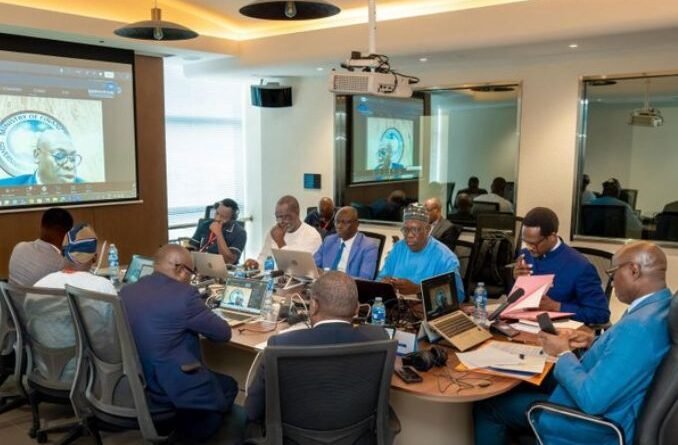
The Convergence Council met by video on 7 September after governors gathered on the 4th and a joint technical committee sat from 31 August to 2 September. Officials reviewed how member states are meeting the bloc’s inflation, deficit, reserve and financing rules and judged the 2027 date “achievable.” The task force, now including Guinea, is meant to settle governance of a future common central bank, where it will sit, the exchange-rate regime and a regional payments system.
Heads of state had already changed the method in Lungi, Sierra Leone, on 19 July. Instead of waiting for every member to be ready, countries that meet the criteria will go first and the rest will join later. The name ECO is trademarked with the African Intellectual Property Organization. ECOWAS now has twelve members after Mali, Burkina Faso and Niger left on 29 January 2025 for the Alliance of Sahel States. Those three still use the CFA franc inside the West African Economic and Monetary Union, so money still moves across the political split. Guinea has said it will keep the Guinean franc at the first launch.
The project is older than the tenures of officials now assigned to it. Dates in 2003, 2005, 2009, 2015 and 2020 came and went because few states held inflation at or below 5 percent, deficits at 3 percent of GDP, three months of import cover and limits on central-bank lending to government. In 2024 only Benin and Cabo Verde hit all four primary tests at once. Five of the twelve still share the CFA; the other seven use the naira, cedi, leone, dalasi, Liberian dollar, escudo and Guinean franc. Binding Nigeria and Ghana to a policy that also fits the CFA zone is the hard problem. Statutes, reserve pooling, voting weights and a host city are still open.
Supporters say one currency would cheapen trade inside a region where intra-bloc commerce stays well under 20 percent of most members’ totals. Sceptics say the economies are too unlike, that Nigeria would dominate and that a rushed start would import volatility.
