
Oyo Assembly Rejects Ransom Payments for Abducted Schoolchildren, Demands Faster Rescue Operations
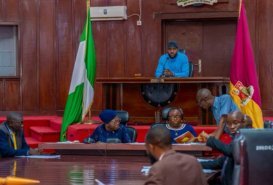
The Oyo State House of Assembly has taken a firm stand against negotiating with kidnappers, rejecting any form of ransom payment for the dozens of pupils and teachers still held hostage more than three weeks after a brazen attack on three schools in Oriire Local Government Area.
Instead, lawmakers are pressing for intensified intelligence-led rescue efforts and have renewed calls for the establishment of state police to tackle the state’s growing insecurity.
The resolution was passed on Wednesday, June 3, following a motion of urgent public importance moved by Hon. Johnson Ogundele, who represents the Oriire constituency. Speaker Rt. Hon. Adebo Ogundoyin strongly opposed any concessions to the bandits, warning that paying ransoms would only encourage more abductions and weaken long-term security. He acknowledged the deep pain of affected families but emphasised the need for sustained pressure on security agencies to secure the safe return of the victims.
The May 15 attack in the Ahoro-Esinle and Yawota communities targeted Baptist Nursery and Primary School, Community Grammar School, and L.A. Primary School. Armed gunmen on motorcycles abducted approximately 39 pupils aged 2 to 16 and seven teachers. At least two teachers, including mathematics teacher Michael Oyedokun, and one pupil were killed during or after the incident. The attackers fled into the vast forests linked to Old Oyo National Park, an area that has increasingly become a hideout for criminal elements.
The hostages remain in captivity despite joint operations involving the military, police, Amotekun network, and local vigilantes. The Assembly passed several resolutions, including urgent calls for a permanent military base in Oriire LGA, comprehensive security audits for schools near forests and borders, development of a Safe Schools Emergency Response Protocol, and better equipping of Amotekun operatives. Lawmakers also directed trauma counselling and relief support for affected families through the state emergency agency.
The crisis has triggered widespread frustration. The Nigeria Union of Teachers declared an indefinite strike in Oyo starting June 1, shutting down public schools, while solidarity protests have been held in Lagos, Abuja, Ogun, and other cities. Governor Seyi Makinde has visited affected families, held daily security briefings, and coordinated with federal authorities. President Bola Tinubu approved the recruitment of 1,000 forest guards for the state and dispatched a high-level delegation led by Chief of Staff Femi Gbajabiamila.
The Oyo case has revived painful memories and intensified debates over the need for decentralised policing. Many lawmakers argue that federal forces often lack the local knowledge and rapid response capability required in vast forested areas, making state police essential.Public opinion remains divided. While some families plead for pragmatic negotiations to save lives, others support the no-ransom policy to avoid emboldening criminals.
