
Venezuela Opposition Decries US Oil Stake Reports
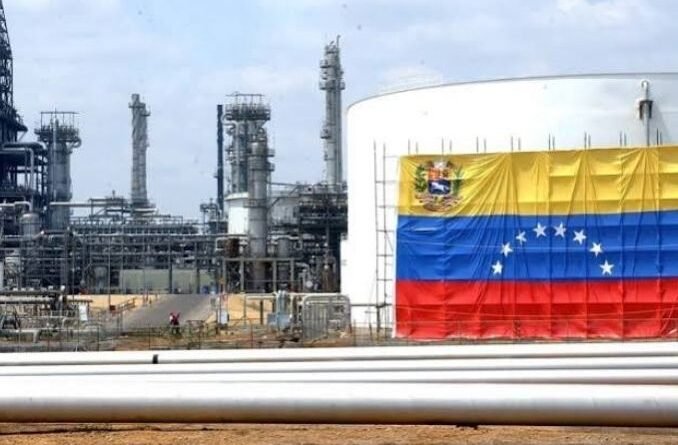
Reports that the United States is seeking a long-term stake in Venezuela’s vast oil and gas reserves have drawn sharp criticism from opposition figures, who describe the talks as predatory and unconstitutional.
Several media outlets this week said the Trump administration hopes to secure lasting access to Venezuelan energy fields after the January capture of former president Nicolás Maduro. Venezuela holds the world’s largest proven crude reserves, estimated at 303 billion barrels.
The Wall Street Journal reported on Thursday that US officials were in advanced talks with Venezuelan counterparts over a direct stake in more than a dozen oilfields containing about 90 billion barrels, nearly a third of the country’s reserves. A source told Reuters the discussions involved fields in the Orinoco Belt and Lake Maracaibo regions. Bloomberg, citing people familiar with the matter, said one option under discussion was a 100-year lease on several fields.
Venezuela has been led since January by interim president Delcy Rodríguez, Maduro’s former vice-president and petroleum minister. Other senior figures from the previous government, including interior minister Diosdado Cabello, have remained in office. Exiled opposition leader María Corina Machado, whose movement is widely believed to have won the 2024 presidential election, has been sidelined. No date has been set for a new presidential vote.
Opposition voices reacted with alarm. Economist Ricardo Hausmann wrote that an illegitimate interim government had no legitimacy to strike such a deal and that it would be a fiasco for all involved. Francisco Rodríguez urged the national assembly to reject what he called a predatory arrangement, arguing that handing over oil wealth contravened the constitution and was not in the interest of the Venezuelan people. Journalist Luz Mely Reyes sarcastically labelled it the “deal of the century.”
Energy historian Gregory Brew of Eurasia Group said he expected significant suspicion and rejection of any arrangement that would give the United States effective control over Venezuelan resources. He compared the reported terms to early-20th-century concessions that granted sweeping rights to foreign companies in Iran and Iraq.
Maduro’s removal has brought some changes, including the release of hundreds of political prisoners and talks on reforming the supreme court. President Trump has praised Rodríguez’s performance and said Venezuela was not yet ready for an election.
The reports add to unease among critics who argue that political transition has been limited while discussions over energy access have advanced. Any agreement would still require formal approval and would face legal and political challenges inside Venezuela and internationally.
