
Sharpeville Survivors Challenge Immunity Law
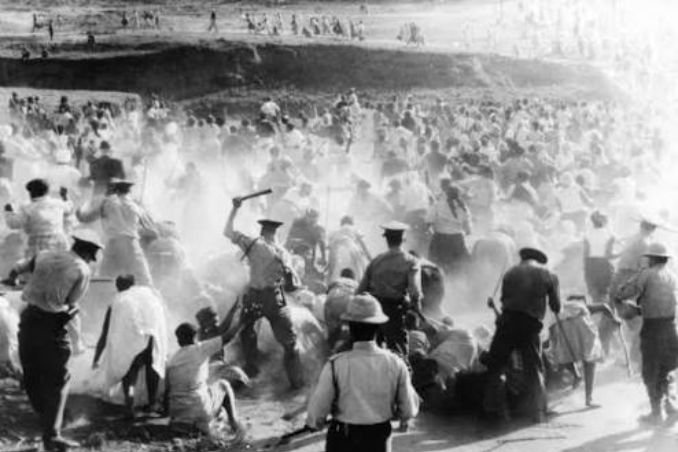
Elderly survivors and relatives of those killed at Sharpeville have asked South Africa’s Gauteng High Court to strike down a 1961 apartheid statute that still blocks claims arising from the 21 March 1960 massacre.
The application, filed on behalf of 87-year-old Abram Mofokeng and two children of victims, seeks a declaration that Indemnity Act 61 of 1961 is unconstitutional. The law, passed after police fired on a crowd protesting pass laws, granted immunity for official actions between 21 March 1960 and 5 July 1961. Lawyers for Human Rights and the British firm Leigh Day say it has extinguished both civil damages and any realistic path to criminal charges ever since.
Mofokeng was 20 and working in a factory when he joined the gathering outside the Sharpeville police station at the call of the Pan Africanist Congress. Police opened fire without warning. A bullet tore off his shoe; another remains in his spine. He walks with a limp. Official records listed 69 dead and more than 180 wounded.
Later work with police files and hospital accounts has put the toll as high as 91 killed and 238 to 281 injured. More than 1,300 rounds were fired, yet no officer was prosecuted. Compensation claims lodged in 1960 were wiped out when the indemnity law took effect.
The applicants want the court to certify a class action that could eventually include more than 70 survivors and family members. They are seeking about R500,000 each and community reparations for a township they describe as forgotten: roads that were once tarred have gone back to dirt, rubbish accumulates, and many still occupy the small brick houses of the apartheid years.
Charne Tracey of Lawyers for Human Rights said little has been done to aid healing or living conditions. A single R30,000 payment Mofokeng received after the Truth and Reconciliation Commission in 2003 was, he said, inadequate. The commission had recommended six years of annual payments that most Sharpeville victims never received.
The case sits alongside other unfinished apartheid litigation. In January 2025, 25 families sued over the state’s failure to prosecute cases referred by the TRC, prompting President Cyril Ramaphosa to appoint the Khampepe Commission, which is still sitting. Presidential spokesman Vincent Magwenya said the presidency was unaware of the Sharpeville filing when it was lodged. The justice department has said it supports victims and does not oppose families seeking legal remedies.
Constitutional lawyers note that the 1994 constitution left old statutes in force until they are repealed. Professor Frans Viljoen has said removing the 1961 act would tidy the statute book and close a legal chapter. If the court finds the indemnity cannot stand, it could in principle reopen civil claims and, for any surviving officers, the theoretical possibility of prosecution.
