
UNICEF: Attacks on Water Systems in War Triple
Reported attacks that damaged or destroyed water and sanitation systems in conflict zones tripled between 2021 and 2025, raising children’s risk of disease outbreaks, malnutrition and violence, UNICEF said in a report released on Thursday.
“Water Under Fire, Volume 4” documents attacks on water, sanitation and hygiene (WASH) systems, their workers and users in 23 countries and territories between January 2021 and June 2026. It describes seven types of attack, from strikes on treatment plants, pipelines and wells to contamination of water sources and restrictions on spare parts and chemicals. “Attacks on water and sanitation systems deprive children of safe drinking water,” said UNICEF Executive Director Catherine Russell, adding that repairs “cannot substitute for the protection of these facilities that is required under international humanitarian law.”
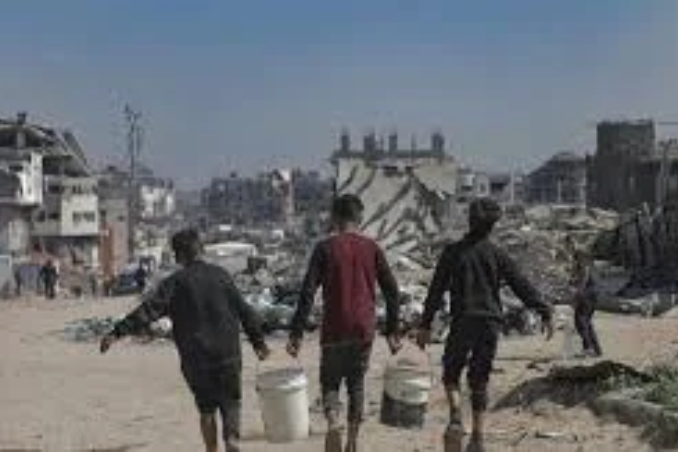
The report cites cases from several conflicts. In Sudan, only one of Khartoum State’s 13 water treatment plants was still working by March 2024. In Burkina Faso, more than 145 water points were destroyed between 2020 and 2025, cutting off about 830,000 people, over half of them children. In Gaza, more than 130,000 metres of sewage pipeline have been damaged since October 2023. In Ukraine, attacks on energy infrastructure had left almost 7 million children without sustained electricity, heating and water by December 2022. In Iraq, a drone attack on a gas field in November 2025 cut electricity output across the Kurdistan Region by about 80 per cent. Water can be cut off even when pipes and pumps are intact, the report notes.
Without clean water, health facilities cannot sterilise equipment, deliver babies safely or prepare the therapeutic milk used to treat severe malnutrition. In eastern Chad’s camps for Sudanese refugees, the World Health Organization linked a hepatitis E outbreak to poor water and sanitation, and half of the 2,092 suspected cases between January and April 2024 were children aged 6 to 17. Where water must be collected outside the home, women and girls do it in seven out of ten households, which raises their risk of sexual violence. The UN recorded 14 staff of Lebanon’s Water Establishments killed in 2024.
Funding is falling short: 137.9 million people in countries with a coordinated humanitarian WASH response need help, and only 26 per cent of the funding required for 2026 has been received. UNICEF is calling on parties to conflict and donors to treat WASH systems as indispensable to civilian survival, create a mechanism to collect data on attacks, protect water and energy workers, allow safe access for humanitarian teams and invest in locally led, resilient systems. In Afghanistan, around 65 per cent of UNICEF-supported water systems now run on solar power.
