
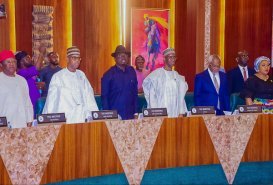
Federal Executive Council Approves Comprehensive Overhaul of Nigeria’s NYSC Scheme
Nigeria’s Federal Executive Council has approved the most significant overhaul of the National Youth Service Corps in its 53-year history, repositioning the scheme as a skills-driven, productivity-focused institution aligned with the vision for a $1 trillion economy.
Minister of Youth Development Ayodele Olawande described the reforms as a bold step to preserve the NYSC’s legacy of national unity while equipping young Nigerians with the skills and opportunities needed to thrive in a rapidly changing world. The changes follow a broad-based, multi-stakeholder review launched in 2025 involving the Federal Ministry of Youth Development, the Federal Ministry of Education, and the Office of the Special Adviser to the President on Policy and Coordination.
Key elements of the approved package include a technology-driven call-up process, risk-sensitive deployment to better protect corps members, and a redesigned six-week orientation programme with stronger emphasis on leadership, entrepreneurship, digital skills, and specialised career streams. Primary assignments will now be skills-based and aligned with participants’ academic backgrounds and career pathways.
The reforms also introduce modern governance with civilian operational leadership, while the military continues to provide security support. Camp standards will be elevated through a national grading and certification system, and the traditional Passing Out Parade will be replaced with a new graduation ceremony. A redesigned NYSC uniform will reflect professionalism and national pride.
The council has directed the Attorney-General of the Federation and the Federal Ministry of Youth Development to begin the process of amending the NYSC Act and its regulations to give legal effect to these changes and enable full implementation.
For over five decades, the NYSC has served as a powerful symbol of national unity and service. The approved reforms aim to transform it into a platform that not only unites Nigerians but also better prepares young people for the demands of the modern economy.
According to Minister Ayodele, it represents a major investment in Nigeria’s youth, marks the culmination of extensive consultations and signals a shift toward making the scheme more relevant, impactful, and responsive to contemporary challenges.
