
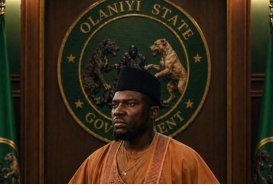
Satirist ‘Governor Amuneke’ Rejects INEC Role to Maintain Right to Criticize Commission
Popular Nigerian skit maker Kevin Chinedu, better known online as Governor Amuneke or Kevinblak, has turned down an offer to serve as a Youth Ambassador for the Independent National Electoral Commission (INEC).
In a candid nine-minute video posted on X on Monday, Chinedu explained that while the role came with national recognition, it also carried conditions he could not accept. The content creator said he initially felt immense pride when a contact informed him via Instagram that INEC was considering him for the position. “I have never felt as proud of myself as when I got that message,” he recalled in the video. “This is supposed to be a national honour… It brought me tears of joy when I thought about how far I have come.”
The ambassadorial role would have seen him join the likes of musician 2Baba in mobilising young people for voter registration and electoral participation ahead of future polls.
However, his excitement quickly faded once he sought clarification on whether the position would limit his content. He was told he could continue general advocacy and encourage civic duties, but direct criticism of INEC would no longer be allowed. That condition proved to be a deal-breaker. “The moment I heard that, what seemed like congratulations disappeared,” Chinedu said. “I wish it did not come with certain conditions to box my voice.”
For Chinedu, whose satirical skits often take aim at governance failures, electoral irregularities and institutional shortcomings, the restriction struck at the heart of his platform. In the video, he opened up about the personal and collective struggles that fuel his work – from the daily hardships faced by millions of Africans under poor leadership to heartfelt messages he receives from fans across the continent, including those in conflict zones.
He stressed that his content is not driven by a desire for fame but by a deep sense of responsibility. “The pressure is worse when I am doing nothing,” he noted. Accepting the ambassadorial role, he argued, would mean silencing the very accountability his audience expects from him.
Chinedu framed his decision as one rooted in purpose and conviction rather than disrespect, and he expressed gratitude to the person who recommended him while leaving the door open for future collaborations that do not compromise his independence.
He further urged fellow content creators to remember the weight of their platforms. “If you have a platform today and you do not compromise, always remember there are millions of people whose hope is on that voice,” he said. “That voice is not just yours.” The announcement has drawn widespread praise online, with thousands of likes, reposts and comments commending Chinedu for choosing principle over prestige.
Many saw the offer as an attempt to co-opt a critical voice, especially at a time when public trust in electoral institutions remains a sensitive issue. Supporters hailed his stand as a powerful example of integrity in Nigeria’s growing digital advocacy space.
This episode comes against the backdrop of increasing scrutiny on how institutions engage with influential young voices ahead of the 2027 general elections. While INEC has not publicly commented on Chinedu’s specific case, the commission maintains a list of Youth Ambassadors on its website aimed at boosting youth participation in the democratic process.
Chinedu’s refusal highlights a broader tension in Nigeria’s evolving digital landscape. As content creators fill gaps left by traditional media and build large, loyal followings through unfiltered commentary, official recognition sometimes comes with expectations that clash with the authenticity that earned them influence in the first place.
