
Israel Strikes Iranian Targets After Ballistic Missile Barrage; Houthis Join Attacks as Trump Urges Restraint
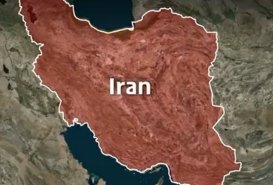
Israel has conducted airstrikes on military and petrochemical sites inside Iran, marking the first direct Israeli attack on Iranian territory since an early-April ceasefire.
The operation followed a barrage of Iranian ballistic missiles fired at Israel the previous night, with Iranian-backed Houthis in Yemen also launching a missile toward Israel.
The Israeli Air Force hit targets near Tehran, Isfahan, Tabriz, Karaj, and the petrochemical complex in Mahshahr in southwestern Iran. Iranian media reported explosions in multiple locations. The Israel Defense Forces described the strikes as targeting military assets belonging to the Iranian regime, including surface-to-surface missile infrastructure.
Iran responded with additional missile launches throughout the morning. Air-raid sirens sounded across central and southern Israel, including areas near Jerusalem. The IDF said all incoming missiles in the latest wave were intercepted. The Samaria Regional Council reported damage to four homes in one neighborhood, though no serious injuries were confirmed. One man was treated after being hurt while rushing to a shelter.
The escalation began after Hezbollah fired rockets at northern Israel on Sunday, prompting Israeli strikes on Hezbollah targets in Beirut’s Dahiyeh district. Iranian officials warned that attacks on Lebanon would trigger retaliation, leading to Tehran’s overnight missile barrage.
Meanwhile, President Donald Trump has urged Israeli Prime Minister Benjamin Netanyahu not to respond militarily, stating he planned to call Netanyahu directly. “I am going to call Netanyahu right now and tell him not to strike back,” Trump said, adding that the U.S. is “very close to a final deal with Iran” and that he did not want the negotiations to collapse. Trump later told the Financial Times he still believes a deal remains possible despite the attacks.
Israeli officials defended the decision to retaliate. Ambassador to the United States Yechiel Leiter wrote on X that each Iranian missile “can destroy an entire neighborhood and kill hundreds,” adding that “no self-respecting country would tolerate such an attack.” He warned Hezbollah against joining the fighting, stating its command centers in Dahiyeh would face heavy strikes if it did.
The Houthis resumed attacks for the first time since the ceasefire, firing a ballistic missile from Yemen that was intercepted.
The renewed violence has heightened regional tensions. The U.S. Embassy in Jerusalem ordered American personnel and families to shelter in place and closed consular sections in Jerusalem and Tel Aviv. The U.S. Embassy in Jordan also issued a security alert.
Iran’s Foreign Ministry described its missile launches as self-defense and warned of a “crushing and comprehensive” response to any further Israeli action. Israeli military spokesman Brig. Gen. Effie Defrin said Iran was trying to set a new deterrence equation through its attacks over Israeli operations in Lebanon. “We will not allow that,” he said.
The exchanges threaten to complicate Trump administration efforts to reach a diplomatic agreement with Tehran. IDF Chief of Staff Lt. Gen. Eyal Zamir oversaw the operation from the Air Force command bunker, with the military stating it remains at full readiness on all fronts.
