
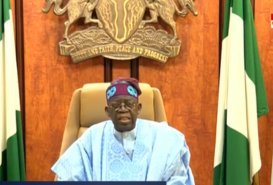
Tinubu Honours June 12 Heroes, Announces Security Measures and Economic Reforms on Democracy Day
President Bola Ahmed Tinubu used Nigeria’s Democracy Day address on June 12, 2026, to celebrate 27 years of uninterrupted civilian rule since 1999, pay tribute to the heroes of the June 12, 1993 struggle, and outline his administration’s security and economic agenda.
In the speech, President Tinubu described Nigeria’s democracy as imperfect but resilient, highlighting peaceful power transitions and the longest stretch of civilian governance in the nation’s history. He urged INEC and security agencies to ensure credible governorship elections in Ekiti and Osun states, and called on the National Assembly, judiciary, press, and civil society to remain strong institutions. The President encouraged young Nigerians to build their future in the country.
Addressing security challenges, particularly the recent abduction of children in Oyo and Borno states, Tinubu declared a security emergency. He announced the recruitment of over 50,000 new police officers and thousands of military personnel, backed by a record N5.41 trillion allocation in the 2026 budget for defence and security.
President Tinubu further highlighted military successes against ISWAP, an 81% reduction in terror-related deaths since 2015, and the neutralisation of over 13,000 terrorists in the past year. More than 124,000 fighters and dependents have surrendered through Operation Safe Corridor since 2023. He issued a strong warning to bandits, kidnappers, and their sponsors to surrender or face the full force of the state.
Economically, the President defended ongoing reforms as necessary for long-term stability and prosperity, while citing increased federation revenues, improved fiscal transparency, growing investments across sectors, a 21% rise in non-oil exports, expanded domestic refining capacity, and progress in the power sector through the Electricity Act and a planned N4 trillion bond to clear legacy debts.
In a major announcement, President Tinubu approved the renaming of the Institute of Petroleum Studies in Kaduna as the General Shehu Musa Yar’Adua University of Geological Sciences and Engineering Technology.
The President conferred national awards on prominent Nigerians who suffered persecution, imprisonment, exile, and other hardships in the fight for democracy. The recipients include:
Civilian Pro-Democracy Activists and Professionals
Barrister Ayoka Lawani, Tunde Fagbenle, Oladele Alake, Olatunji Bello, Louis Odion, Segun Babatope, Sam Omatseye, Sir Ademola Osinubi, Bola Bolawole, Lade Bonuola, Femi Kusa, Debo Adeniran, Chief Ayo Opadokun, Chief Ralph Obiora, Ose Osayande, Barrister Osa Director, Prof. Sylvester Odion-Akhaine, Dr Arthur Nwankwo (Posthumous), Dr Osagie Obayuwana, Dr Joe Okei-Odumakin, Barrister Titus Mann, Joe Igbokwe, Richard Akinnola, Ben Charles-Obi (Posthumous), George Mbah, Dr Niran Malaolu, Major-General Ishola Williams (rtd), Femi Aborisade, Jenkins Alumona, Gbemiga Ogunleye, Muyiwa Adekeye, Babajide Kolade-Otitoju, and Ike Okonta.
Soldier-Democrats
Major General MA Garba, Brigadier General Lawal Jaafaru Isa, Col Umar Farouk Ahmed, Col Sambo Dasuki, Col Lawan Gwadabe, Brigadier Jonathan Ndam Temlong, Col Musa Shehu, Major General Chris Eze, Major General Harris Dzarma, Col Isa Jibrin, Maj. General Joseph Oshanupin, Col Olusegun Oloruntoba (Olugbede of Gbede Kingdom), Lieutenant Colonel Happy Kefas Bulus, Col J Okai, Col Emmanuel Ndubueze, Lt Col Yakubu Muazu, and Brigadier Yahaya Abubakar (the current Etsu Nupe).
President Tinubu said the full honours list would be released in the coming days and called for national unity and urged Nigerians to work together to secure economic freedom alongside the political freedom won in 1999.
