
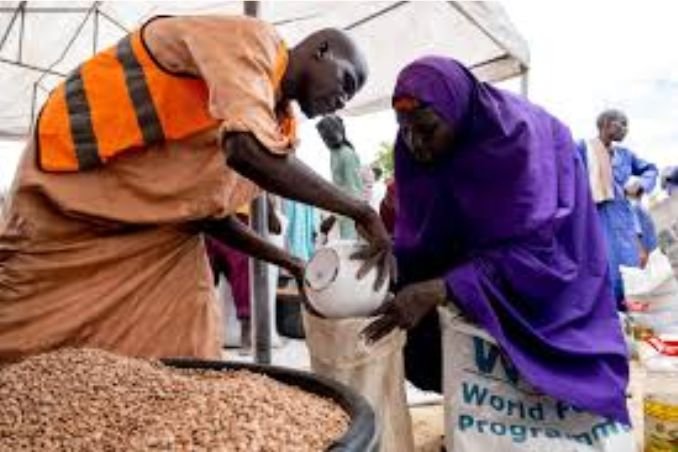
WFP Says Ebola Fight Needs Food Aid
The World Food Programme says the Bundibugyo Ebola outbreak in eastern Democratic Republic of the Congo will not slow unless families in remote, hungry districts can eat, and it has asked donors to fund food as part of the health response rather than treat hunger as a side issue.
David Stevenson, WFP’s country director, told UN News that Ebola is a medical emergency and also a crisis sitting on years of war, displacement and empty markets. The outbreak was declared on 15 May. In its first 100 days it produced more than 5,500 cases and 2,642 deaths, the fastest start on record for a virus the country has now faced 17 times. Stevenson has been in Ituri, the epicentre, where he said more than 500,000 people sit in IPC Phase 4 – one step short of famine mortality.
Hungry households, he argued, cannot put isolation rules and safe burials first. “If you can’t feed your family, it’s pretty difficult to adhere to health protocols.” Most people who catch the virus never reach a treatment centre. Those who do recover, he said after watching a cured woman leave a ward, do so on medicine and on food.
WFP wants more treatment beds and more rations pushed down roads that are often impassable. “We always find a way to deliver,” he said, but he called himself stunned that food aid for this outbreak has not drawn the same attention as WFP’s other flagship emergencies in Ukraine, Gaza, Sudan and South Sudan.
Eastern Congo’s conflict has emptied fields and camps. Stevenson’s point is operational, not rhetorical: a community that is starving will not stay home when an alert is raised, and a patient who arrives wasted is harder to save. He asked for money now so food can sit inside the same plan as vaccines, tracing and dignified burials. Whether donors answer will decide if the next hundred days look like the last.
