
Dangote Restricts Sales to Importers
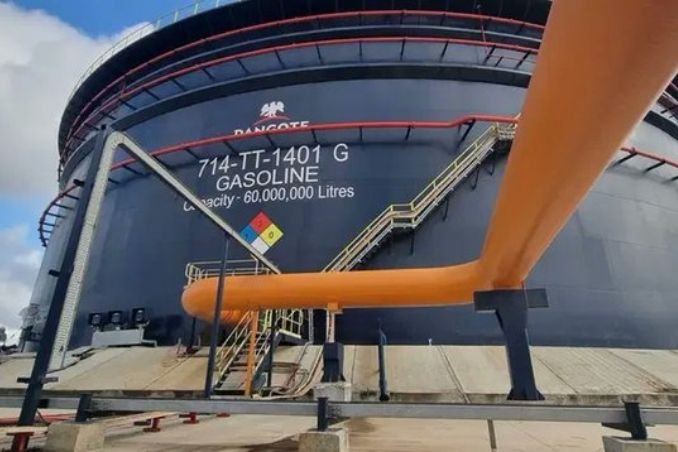
Dangote Petroleum Refinery is preparing to stop selling Premium Motor Spirit to six major marketers that hold valid petrol import licences, industry sources said on Tuesday, intensifying a long-running contest over who supplies Nigeria’s fuel market.
The companies named are Matrix Energy, A.A. Rano, AYM Shafa, NIPCO, Pinnacle Oil and Gas and Bono Energy. The Nigerian Midstream and Downstream Petroleum Regulatory Authority issued them licences in May covering a combined 720,000 metric tonnes of petrol. Sources familiar with the refinery’s position said Dangote will now prioritise sales to marketers that do not hold import permits. The measure could take effect this week, they added, subject to further talks.
Two concerns drive the decision. Imported petrol accounted for about 43 percent of total supply in July, according to figures cited by the refinery, shrinking the domestic market available to local producers and making inventory planning unpredictable. Officials also fear that some marketers blend imported product of uncertain specification with fuel lifted from the Lekki plant before it reaches filling stations. That practice, they argue, blurs the line between Dangote-refined petrol and imported cargoes and risks damaging the refinery’s brand if quality complaints arise.
A senior official at the facility, speaking on condition of anonymity, said it was difficult to understand why the company would invest heavily in high-quality products only for those products to be mixed with imported fuel of uncertain quality and then associated with the refinery. The company has also questioned whether the regulator has adequate laboratory capacity to test imported cargoes independently before they enter the market.
NMDPRA data for July showed Dangote’s domestic PMS supply falling 21 percent to 25.8 million litres a day while imports rose 9 percent to 19.7 million litres a day. The refinery produced 25.9 million litres daily that month and exported 3.4 million litres, describing the exports as a commercial necessity rather than a retreat from the Nigerian market. Holding large unsold stocks, it said, has become unsustainable when future import volumes remain opaque.
Marketers reject the blending allegation and accuse the refinery of seeking a de facto monopoly. One operator told Daily Trust that the company was trying to block importation so it could sell at a higher price as the only supplier. They point to earlier disruptions at the plant as evidence that imports remain essential for energy security.
The regulator has struck a cautious note, saying it retains sole responsibility for setting quality parameters for both locally refined and imported products while acknowledging that Dangote, as a private business, may choose its counterparties under a willing-buyer, willing-seller framework.
The dispute is unfolding as pump prices rise. In Lagos, petrol has been selling between N1,300 and N1,350 a litre; some stations in Kano have reached N1,355. The refinery itself has raised its gantry price several times in recent weeks. Dangote currently supplies roughly 40 percent in stronger months, with the rehabilitated Port Harcourt and Warri refineries adding smaller volumes.
Legal battles continue in parallel. A Federal High Court in Lagos on Monday restrained the NMDPRA from enforcing an 24 August directive that would have suspended loading and truck-out from the Dangote plant, citing the refinery’s location in a free zone. A separate suit challenging the May import licences has been adjourned to 7 October. Dangote argues those licences violate Section 317 of the Petroleum Industry Act, which it says permits imports only when a proven domestic shortfall exists.
