
Mass Evacuation Deepens South African Immigration Crisis Ahead of Threatened June 30 Shutdown
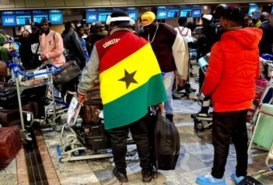
Ghana has started the voluntary repatriation of its citizens from South Africa, with approximately 300 individuals departing Johannesburg on a government-chartered flight to Accra earlier today.
The group, which included families with children and elderly passengers, left from O.R. Tambo International Airport following heightened fears over anti-immigrant protests and demonstrations across parts of South Africa. Ghana’s High Commissioner to South Africa, Benjamin Kofi Quashie, confirmed that over 800 Ghanaians had registered for assisted return, citing safety concerns, economic difficulties, and a general feeling of being unwelcome. Quashie further clarified that the repatriation will continue on Sunday.
This first flight marks the beginning of a larger operation. Ghana estimates over 16,000 of its nationals live in South Africa, many contributing to the economy. However, recent tensions – driven by frustrations over undocumented migration, job competition, and sporadic xenophobic incidents – have prompted this voluntary exodus. Additional flights are planned in the coming days for remaining registrants.
Ghana’s Ministry of Foreign Affairs, led by Minister Samuel Okudzeto Ablakwa, is covering the costs of the chartered flights, emergency travel documents, and a comprehensive reintegration package upon arrival in Accra. This includes financial grants, transportation assistance, initial subsistence allowances, business startup support, and psychosocial services to help returnees readjust.
South African authorities noted that while the departure was facilitated, many of those on the flight had immigration compliance issues, including overstayers and individuals previously held at the Lindela Repatriation Centre. Officials emphasised that non-compliant individuals would still face standard enforcement measures.
The repatriation highlights ongoing challenges around migration, economic inequality, and social integration in Southern Africa. Protests in South Africa, led by groups demanding stricter border controls and action against undocumented foreigners, have created an atmosphere of unease for many African migrants. Ghanaian officials have stressed that bilateral relations with South Africa remain strong, but the duty to protect citizens in perceived danger required this action.
For many returnees, the decision combines immediate safety fears with longer-term disillusionment after years of living and working in South Africa. One Ghanaian who had resided there for over 20 years told reporters, “There is no place like home.”As the first group arrives in Accra, Ghanaian authorities will begin processing returnees for support.
Meanwhile, both governments continue to affirm their commitment to friendly relations.
