
Ramaphosa Vows Crackdown on Illegal Immigration to Protect South African Public Services
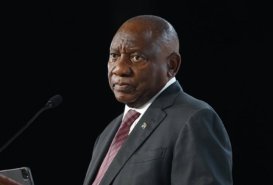
President Cyril Ramaphosa has directly confronted the challenges of illegal immigration, warning that it is placing significant pressure on public services and undermining efforts to create jobs for South Africans.
Speaking during the Presidency’s Budget Vote debate in the National Assembly on Tuesday, Ramaphosa drew a clear distinction between the potential benefits of well-managed, legal migration and the problems caused by unregulated inflows.
“We do need to address the challenge of migration. When it is well managed and regulated, migration can help to drive economic growth and opportunity for all. However, we need to deal with illegal migration,” Ramaphosa said. He noted that illegal immigration has strained healthcare, education, housing and social services, while complicating the government’s ability to create decent work for citizens in a country already battling over 32% official unemployment.
The President outlined steps the government is taking, including intensified workplace inspections, prosecution of employers who hire undocumented foreigners, strengthened border security, and efforts to root out corruption within the immigration system. He referenced commitments made in the State of the Nation Address and said legal loopholes would be closed. Ramaphosa also firmly condemned xenophobia and vigilantism, stressing that all people in South Africa – citizens and foreign nationals alike – must respect the law while their rights are protected.
Ramaphosa’s remarks come amid mounting anti-immigration protests led by groups such as March and March, which have intensified since April across Johannesburg, Pretoria, Durban and other cities. Protesters accuse undocumented foreigners of worsening unemployment, competing in the informal economy, and straining already overstretched public services.
The movement has set a June 30 deadline for undocumented foreigners to leave the country, threatening further nationwide action if unmet. Some protests have turned violent, with reports of intimidation, looting of foreign-owned shops and displacement of migrants, including some with legal status.
A fresh catalyst emerged on Tuesday with the Special Investigating Unit revealing irregularities in the Free State Office of the Premier’s bursary programme. The probe uncovered over R8 million in irregular expenditure, including funds awarded to foreign nationals, relatives of officials, full-time government employees and even a deceased student.
The SIU is pursuing recoveries and prosecutions, while Free State Premier MaQueen Letsoha-Mathae has pledged full accountability. The scandal has further inflamed public anger over perceived diversion of resources meant for South Africans.
South Africa hosts a large migrant population from across the continent, including refugees, asylum seekers and economic migrants. While official estimates of undocumented individuals vary, challenges such as porous borders, corruption at Home Affairs offices and overwhelmed services have long been acknowledged.
The government points to initiatives like the Border Management Authority (established in 2023), increased deportations since 2022, and a revised White Paper on Citizenship, Immigration and Refugee Protection approved in March 2026 as evidence of progress.
Opposition parties and civic groups have welcomed the stronger tone but remain sceptical about implementation, demanding faster deportations and more decisive policy changes. Human Rights Watch and other organisations have raised concerns about xenophobic violence and inadequate protection for migrants, urging authorities to distinguish between legitimate grievances and criminal acts.
As the June 30 ‘deadline’ approaches and protests continue, Ramaphosa’s address signals a firmer government stance on enforcement. Success will depend on visible results like effective border control, labour inspections, anti-corruption efforts and transparent communication.
