
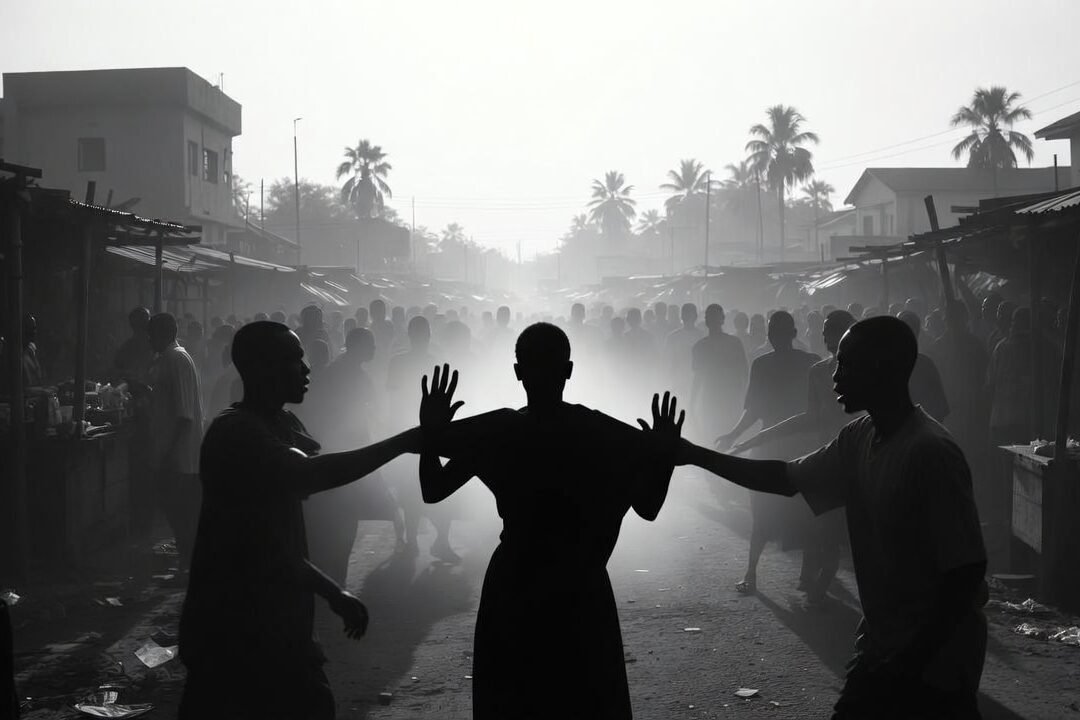
Women’s Coalition Condemns Alleged Organised Sexual Violence in Delta Festival as Police Arrest Organisers
More than 500 women’s rights organisations have united under the Womanifesto coalition to denounce what they describe as a systematic and tolerated campaign of sexual violence targeting women in Ozoro, Isoko North Local Government Area of Delta State, carried out under the pretext of a local festival.
In a strongly worded statement released on March 20, 2026, the group – co-convened by Dr. Abiola Akiyode-Afolabi – labelled the reported incidents “absolute horror” and “organised, institutionalised rape culture.” The coalition cited widely shared video evidence showing women being stripped naked in public, chased through streets, forcibly removed from commercial tricycles and motorcycles, and subjected to mob harassment and attempted sexual assault in broad daylight.
Womanifesto rejected any suggestion that such acts constitute legitimate tradition, culture, or religious observance. “This is not our culture,” the statement declared. “No deity, no elder, no community practice has the right to suspend women’s bodily autonomy.” The group invoked Nigeria’s 1999 Constitution, which guarantees dignity, freedom of movement, and protection from inhuman or degrading treatment, as well as the Violence Against Persons (Prohibition) Act 2015, which criminalises threats of violence and sexual offences. They argued that instructing women to remain indoors after a specified hour under threat of attack amounts to criminal coercion.
The incidents gained national attention after multiple videos surfaced online between March 19 – 20, 2026, depicting groups of young men pursuing women, forcibly undressing them, and engaging in harassment. Social media users quickly dubbed the events the “Ozoro Rape Festival,” prompting widespread revulsion and demands for immediate accountability. Many Nigerians expressed disbelief that such behaviour could occur openly in 2026, with online comments framing the acts as criminal abuse rather than heritage.
Delta State authorities have responded rapidly, with the governor’s Senior Special Assistant on Media, Ossai Ovie Success, rejecting any notion of a “raping festival” existing in the state and pledged full enforcement of laws protecting citizens. The Delta State Police Command opened an investigation and, on March 20, arrested five individuals – including the alleged chief organiser and local community head Chief Omorede Sunday from Oramudu quarters – in connection with the reported molestation and harassment of women during the event.
Meanwhile, His Royal Majesty Barr. Anthony Uvietobore Ogbogbo, the Ovie of Ozoro Kingdom, met a delegation from the National Association of Nigerian Students (NANS) on March 20. The monarch categorically denied any prior awareness of such abuses occurring during the festival, stating he had received numerous inquiries from officials and fellow traditional rulers seeking clarification. He claimed possession of over 200 videos and photographs related to the incidents and emphasised that, in more than two decades as king, he had never heard reports of women being assaulted in his domain under the guise of a festival. The king assured NANS of cooperation in delivering justice, announced an immediate ban on the event, and confirmed that affected female students (some reportedly hospitalised) would receive support.
While some accounts suggest the festival may have distant historical roots in fertility-related rituals, contemporary observers and rights advocates insist the current manifestation has devolved into blatant criminality far removed from any defensible cultural purpose.
Womanifesto issued a set of urgent demands:
Immediate deployment of security personnel by the Delta State Government to Ozoro to stop the attacks and safeguard women and girls throughout the remaining festival period;
Swift arrests and prosecution of identifiable perpetrators by the Inspector-General of Police and Delta State Commissioner of Police, using circulating video evidence;
A clear public statement from the Federal Government affirming that no traditional festival overrides constitutional rights or federal statutes, including the Violence Against Persons (Prohibition) Act;
Formal and unequivocal disavowal by Ozoro traditional rulers and community leaders of any claim that the reported violence is authorised by custom.
The coalition called on Nigerian civil society, the National Human Rights Commission, and international partners – including United Nations bodies – to treat the situation with the gravity it requires, emphasising that the videos themselves constitute evidence of ongoing criminal acts.
The Delta State Police have appealed for additional victims and witnesses to come forward with information. As investigations deepen and public anger intensifies, the Ozoro incidents have reignited broader national discussion about gender-based violence, the boundaries of cultural practices, the responsibility of traditional institutions, and the state’s duty to protect citizens from abuse regardless of local custom or festival context.
