
Ramaphosa Unveils Comprehensive Border Crackdown and Fast-Track Deportation Courts
President Cyril Ramaphosa has delivered a national address outlining a comprehensive government strategy to tackle illegal immigration, responding to rising public frustration, protests, and a self-imposed June 30 deadline set by activist groups in South Africa.
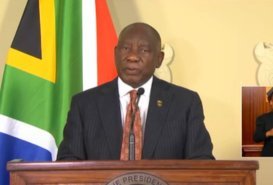
In the televised speech from the Union Buildings on June 7, Ramaphosa acknowledged legitimate concerns over jobs, services, and crime while rejecting vigilantism and xenophobia, insisting that only the state can enforce immigration laws.
The address comes as South Africa grapples with an official unemployment rate of 32.7% in the first quarter of 2026, youth joblessness at crisis levels, and widespread perceptions that undocumented migrants strain housing, healthcare, schools, and contribute to crime.
Estimates of undocumented foreigners range between 2 and 5 million in a population of roughly 62 million, though exact figures remain difficult to verify. Official records show the Border Management Authority intercepted over 450,000 attempted illegal crossings in the past year, with more than 109,000 inland deportations carried out in recent years.
Groups such as Operation Dudula and the March and March, and have organised protests and issued the June 30 deadline for undocumented foreigners to leave voluntarily. The government has stressed this carries no official force and has warned against self-appointed enforcement actions. Several African countries, including Ghana, Nigeria, Mozambique, and Malawi, have arranged repatriation flights for their nationals amid fears of unrest.
In his speech, Ramaphosa detailed Cabinet-approved measures under a new Comprehensive Approach for Migration Management, building on commitments made in his February 2026 State of the Nation Address. Key elements include intensified identification and deportation of undocumented individuals through dedicated immigration courts for faster processing; stricter workplace inspections targeting employers who hire undocumented labour, with harsher penalties including possible imprisonment; and investment in border technology, infrastructure, and personnel.
Refugee reception centres will be moved closer to borders, starting in Tshwane, to improve security and efficiency.
Additional steps focus on anti-corruption efforts at the Department of Home Affairs, the introduction of a biometric Intelligent Population Register and Digital ID to replace fraud-prone green ID books, and new rules to prevent misuse of temporary residence permits. Ramaphosa also called for diplomatic engagement with neighbouring countries to address root causes of migration such as conflict and economic hardship.
“No other person is allowed, for example, to confront someone in the street to demand proof of nationality,” he said, while affirming that “every person within the borders of South Africa should be here legally.”
The domestic debate has spilled into regional diplomacy. On June 6, South Africa’s Minister of International Relations Ronald Lamola issued a strong rebuttal to allegations raised in Ghanaian media, particularly claims made on Joy 99.7 FM.
Lamola described some reports as misinformation and addressed specific assertions point by point. He stated there is no substantiated evidence of Nigerians killed in recent unrest, confirmed South African police are investigating the deaths of two Mozambican nationals, and expressed surprise at unverified reports of 15 hospitalized Ghanaians despite active diplomatic channels.
Regarding a May 27 repatriation flight carrying nearly 300 Ghanaians from OR Tambo International Airport, Lamola noted that 25 were from deportation facilities while the remainder were assisted by the Ghanaian High Commission; checks showed around 90% were undocumented overstayers. He warned that South Africa would vigorously defend against any “frivolous or baseless” legal action and signalled readiness to highlight challenges faced by South African businesses operating in Ghana.
Lamola reaffirmed South Africa’s commitment to Pan-African solidarity and invited evidence-based discussions, either bilaterally or through the African Union, on migration’s push and pull factors. Ghanaian returnees and officials have cited genuine fears of harassment and violence amid protests, while many South Africans maintain the actions target illegal immigration and crime rather than foreigners generally.
