
Ghana Declines Ramaphosa State Visit Over Xenophobic Attacks
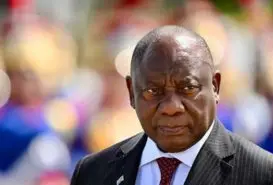
The Ghanaian government has rejected a request for a state visit by South African President Cyril Ramaphosa, citing persistent xenophobic violence against foreign nationals, including Ghanaian citizens, in South Africa.
The decision, reported by Ghanian media Joy News, reflects heightened diplomatic tensions between the two major African economies.
Foreign Minister Samuel Okudzeto Ablakwa’s ministry has led Ghana’s response to the crisis. In recent months, Accra facilitated the voluntary repatriation of more than 800 Ghanaians following waves of violence, looting of foreign-owned businesses, and harassment, particularly in Durban and parts of Johannesburg. At one point, nearly 200 Ghanaians sought shelter at Ghana’s embassy in Pretoria.
President John Dramani Mahama publicly criticised South African authorities for what he described as insufficient action to stop the attacks. He highlighted reports of foreigners being turned away from hospitals and inadequate local responses despite official condemnations from Pretoria. Ghana has evacuated citizens and raised the issue in African Union forums while holding direct talks between Minister Ablakwa and his South African counterpart, Ronald Lamola.
South Africa has faced repeated accusations of failing to translate condemnations into lasting protection for migrants. President Ramaphosa has condemned the violence, deployed police, and promised investigations, while pointing to challenges linked to irregular immigration. Incidents have continued, resulting in deaths among migrants from several African countries and prompting travel advisories from nations including Nigeria and Malawi.
Ghana has stressed that its decision is not intended as retaliation and that it remains committed to pan-African principles. Officials have made clear, however, that repeated cycles of attacks followed by apologies are no longer acceptable. No formal statement confirming the exact wording of the declination has been released by the Presidency or Foreign Ministry, but the move aligns with Ghana’s firm public posture.
The rejection has drawn widespread approval on social media and in Ghanaian public discourse, with many viewing it as an assertion of national dignity. A minority of voices have cautioned against potential impacts on trade and regional cooperation under the African Continental Free Trade Area.
Bilateral relations between Ghana and South Africa have historically been strong, grounded in anti-apartheid solidarity and growing business ties. The current tensions underscore broader continental challenges around migration, national sovereignty, and African unity. South African officials had not commented publicly on the development as of Tuesday afternoon.
