
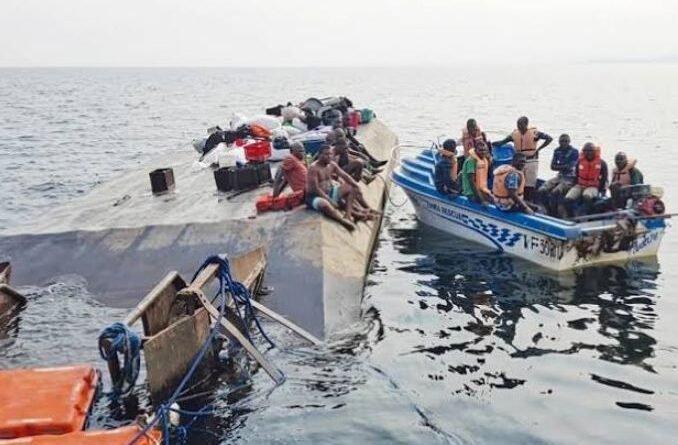
Captain Blamed for Kariba Ferry Disaster
The Zimbabwean government has placed full responsibility for the Lake Kariba ferry disaster on the vessel’s captain, saying he ignored weather warnings and overloaded the 41-year-old boat that capsized with a heavy loss of life.
Local Government Minister Daniel Garwe told a post-cabinet briefing on Tuesday that captain Sign Patsikadova of the Mbuya Nehanda disregarded advice from the Meteorological Department not to sail because of strong waves developing on the Binga side of the lake. The government-owned 90-seater ferry, operated by the Rural Infrastructure Development Agency, left carrying more than 180 people plus luggage that included goats, drums of fuel and other goods destined for fishing communities.
Garwe said the boat’s certified capacity was about 90 passengers. With 93 confirmed dead, 77 rescued and several families still reporting missing relatives at the time of his remarks, the vessel was clearly overloaded in breach of Transport Ministry regulations. Police later confirmed the recovery of another body, bringing the death toll to 94. The disaster, which occurred on 11 August, has been declared a national disaster and is regarded as Zimbabwe’s deadliest transport accident.
Addressing questions about the age of the ferry, Garwe insisted the 41-year-old Mbuya Nehanda held a valid fitness certificate issued by the Transport Ministry. He attributed the tragedy entirely to negligence and human error by the captain rather than any structural failing of the vessel. Formal investigations have begun, including examination of the wreckage.
The ferry had been providing a vital transport link for rural communities on Lake Kariba. Search and recovery operations continue, with bodies recovered farther from the original site, some drifting toward Zambia. A mass memorial has already been held, and the government has acknowledged wider deficiencies in the country’s maritime safety capacity that require urgent attention.
The incident ranks among Zimbabwe’s worst peacetime disasters, comparable in scale only to the 1972 Hwange mine explosion that killed 427 miners.
