
Congo’s Ebola Contact Tracing Collapses
Unpaid health workers in eastern Democratic Republic of Congo have gone on strike, temporarily closing a key treatment centre and further straining contact tracing efforts as the country’s fastest-growing Ebola outbreak continues to outpace the response.
In Nizi, Ituri province, community health worker and head of contact tracing Gédéon Banga Ngbape said his teams are confronting multiple obstacles, including more than three months without pay and limited mobility for field staff, per Africa News. On Thursday, health workers at the Nizi Treatment Center walked off the job, forcing the facility to close temporarily. Ngbape stressed that when surveillance fails to function properly, the entire outbreak response suffers.
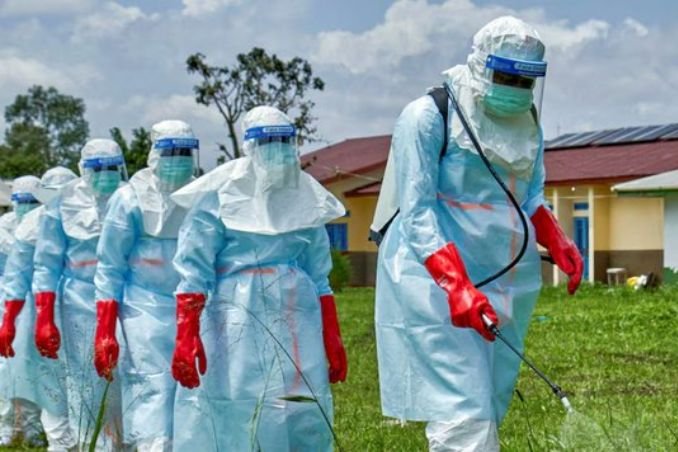
Surveillance teams in Nizi receive an average of 60 to 70 alerts each day. Workers investigate the reports, search for people exposed to suspected or confirmed cases and attempt to move anyone showing symptoms into care before the virus spreads further. Ana Ndroy Kasime, another community health worker in the area, said she visits homes to educate residents about Ebola and report suspected cases, yet staff lack even basic protective supplies.
Government data published overnight into Tuesday recorded 4,381 confirmed cases and 2,011 deaths. From the first confirmed case, the death toll has risen almost three times faster than during the 2014–2016 West African outbreak, previously the worst on record. The current epidemic, driven by the rare Bundibugyo strain, was officially declared on 15 May, though sequencing indicates the virus began circulating months earlier, in February. No approved vaccines or specific treatments exist for Bundibugyo, although clinical trials are under way.
The outbreak is unfolding in some of the most difficult conditions imaginable. Strikes by unpaid health workers, threats from rebel groups, residual anger in long-traumatised communities and misinformation claiming that Ebola is not real have all hampered containment efforts. Ngbape and his colleagues continue to fan out across communities daily in search of contacts, but the combination of delayed salaries, resource shortages and insecurity is allowing the virus to stay ahead of the surveillance system.
Health authorities and partners face mounting pressure to restore payments, strengthen logistics and rebuild community trust if contact tracing and isolation are to regain ground against one of the most rapid Ebola epidemics ever recorded.
