
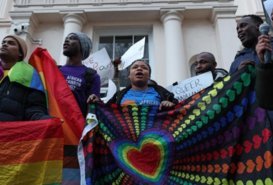
Ghana’s Parliament Passes Controversial Human Sexual Rights and Family Values Bill
Ghana’s Parliament has approved the Human Sexual Rights and Family Values Bill 2025 by voice vote, sending the wide-ranging legislation to President John Dramani Mahama for assent.
The bill, commonly known as the anti-LGBTQ+ bill, significantly expands restrictions on same-sex activities, identities, and related advocacy, reviving a version that passed the previous parliament in 2024 but lapsed before presidential approval.
The legislation, sponsored by Reverend John Ntim Fordjour and others, received strong backing from religious leaders, traditional authorities, and lawmakers across party lines. It builds on existing colonial-era laws that already criminalise “unnatural carnal knowledge,” but introduces broader prohibitions and obligations for citizens and institutions.
Key provisions include up to three years in prison for engaging in same-sex sexual acts or “holding out” as lesbian, gay, bisexual, transgender, queer, intersex, asexual, pansexual, or similar identities. Gender-affirming care is restricted except for intersex medical corrections. Promotion, advocacy, funding, or sponsorship of LGBTQ+ activities carries penalties of three to five years, or up to five to ten years in certain cases involving propaganda or materials. Media owners, digital platforms, and property owners could face liability if they knowingly facilitate such activities.
The bill imposes a duty on citizens to report suspected violations, with failure to do so punishable by up to three years’ imprisonment, while also prohibiting extrajudicial harassment. It calls for the automatic disbandment of LGBTQ+ organisations, bans participation in or formation of such groups, and prohibits teaching children about non-binary genders or LGBTQ+ topics. Additional measures include restrictions on adoption by LGBTQ+ persons, voiding of same-sex marriages, and penalties for public displays of same-sex affection or cross-dressing with prohibited intent. Offences would become extraditable.
Recent amendments exempt certain professionals such as lawyers, journalists, and health workers, when acting in their official capacities. These changes drew criticism from some opposition lawmakers, who argued they diluted the bill’s original intent.
The bill’s journey reflects deep cultural and religious conservatism in Ghana. Proponents, including major Christian and Muslim bodies, view it as essential protection for Ghanaian family values, cultural norms, and sovereignty against perceived foreign influences. Supporters argue it upholds longstanding societal standards in a country where same-sex relationships already face significant stigma.
Human rights organisations have strongly opposed the legislation. Groups including Human Rights Watch and Amnesty International warn that it could violate constitutional protections on privacy, expression, association, and non-discrimination. They express concern over potential increases in surveillance, stigma, violence, barriers to healthcare particularly HIV services, and impacts on free speech and civic space. Critics argue the reporting requirements and broad definitions risk driving LGBTQ+ individuals underground and exacerbating discrimination.
This development aligns with a regional trend in West Africa, where countries like Senegal and Burkina Faso have recently strengthened measures against same-sex acts and promotion. It highlights ongoing tensions between cultural and religious priorities on one side and international human rights norms on the other.
President Mahama had previously expressed support for the bill’s principles while preferring a government-led approach. Assent would align with widespread domestic sentiment but could invite international criticism and legal challenges.
