
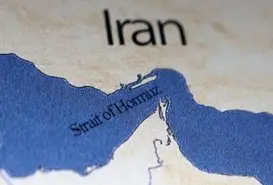
Iran Launches Strikes on Gulf States and Jordan in Major Escalation
Iran has carried out attacks on Bahrain, Kuwait, Oman and Jordan, claiming strikes on U.S. military sites in retaliation for American bombardments of its southern coast and Qeshm Island.
The latest exchanges represent a dangerous broadening of the U.S.-Iran conflict centred on control of the Strait of Hormuz. Tehran said its forces responded after U.S. strikes hit at least 140 targets across Iran the previous day, triggering explosions in key port cities including Bandar Abbas, Sirik and Jask.
Iranian officials reported that almost a dozen “enemy projectiles” targeted Qeshm Island. In its counter-offensive, Tehran asserted successful hits on American installations in the four named countries, expanding the theatre of operations beyond direct U.S.-Iran exchanges.
President Donald Trump maintained that the Strait of Hormuz remains “open” for international shipping. In contrast, Iran’s Persian Gulf Strait Authority declared that maritime traffic is suspended until “stability and calm are restored,” highlighting sharply diverging narratives over the vital waterway that carries roughly one-fifth of global oil trade.
The escalation follows weeks of fragile ceasefire attempts. Earlier U.S. actions targeted Iranian missile, drone storage and coastal radar sites after Iranian drone and missile strikes on commercial vessels in the strait. Iran has repeatedly warned it retains the right to control traffic through the narrow chokepoint and has threatened further retaliation against any perceived violations.
Gulf states hosting U.S. military facilities have found themselves drawn directly into the fray. Bahrain, home to the U.S. Navy’s Fifth Fleet, and Kuwait, which hosts major American air bases, reported activating air defences against incoming Iranian projectiles. Jordan also faced strikes, with limited details on damage or casualties emerging so far.
Regional reactions have been swift. Several Gulf nations condemned the Iranian actions as a dangerous escalation, while calls for de-escalation and renewed diplomacy have grown. Maritime insurers and shipping companies continue to monitor the situation closely, with some vessels rerouting or delaying transits amid ongoing uncertainty.
The conflict has already disrupted global energy markets and raised fears of wider involvement by regional and international actors. U.S. Central Command has described its operations as necessary to protect commercial shipping and degrade Iran’s capacity to threaten civilian mariners. Iran, meanwhile, frames its responses as legitimate defence of its sovereignty and territorial waters.
