
Jury Selection Starts in Tupac Case
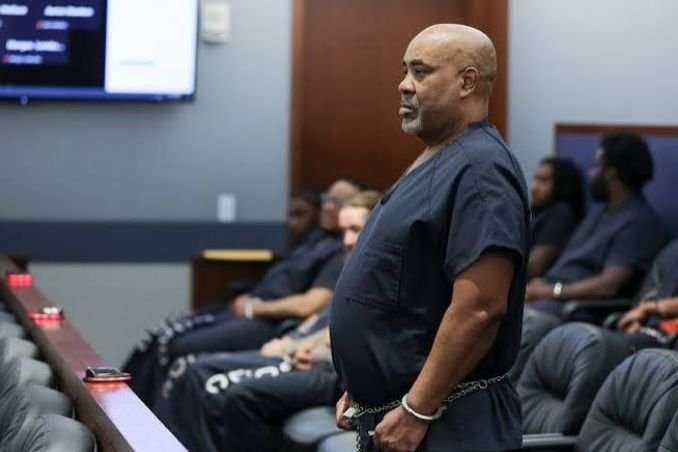
Jury selection began Monday in Las Vegas in the murder trial of Duane Keith Davis, the only person ever charged in the 1996 killing of Tupac Shakur, marking a significant step in a case that has remained unresolved for nearly three decades.
Davis, 63, better known as Keffe D, appeared in Clark County District Court at the Regional Justice Center before Judge Carli Kierny. He faces one count of murder with the use of a deadly weapon with the intent to promote, further or assist a criminal gang. He has pleaded not guilty and could face life in prison without the possibility of parole if convicted. Around 75 potential jurors were summoned to the downtown courthouse on August 10. Questioning about their knowledge of the case, possible biases, hardships and ability to serve impartially is expected to take several days. The full trial is projected to last four to six weeks amid strong public and media interest that has already led to a lottery system for limited courtroom seats.
Prosecutors do not claim that Davis fired the shots on the night of September 7, 1996. They allege he orchestrated the drive-by shooting and supplied the firearm. Shakur, then 25 and one of the most influential artists of his generation, was riding in a black BMW with Death Row Records co-founder Marion “Suge” Knight near the Las Vegas Strip when gunfire erupted from a white Cadillac. Shakur was hit multiple times and died six days later in hospital. Knight suffered a minor injury.
The shooting followed a confrontation earlier that evening at the MGM Grand after a Mike Tyson fight, in which Shakur and associates allegedly assaulted Davis’s nephew, Orlando “Baby Lane” Anderson. Prosecutors say the attack was retaliation rooted in longstanding tensions between rival California street gangs linked to the East Coast – West Coast hip-hop rivalries of the era. The other men alleged to have been in the Cadillac with Davis that night – Anderson, DeAndre “Big Dre” Smith and Terrence “T-Brown” Brown, have all since died.
A distinctive feature of the case is that much of the prosecution’s strongest evidence comes from Davis’s own statements. After the investigation went cold for years, he publicly discussed the events in interviews and co-authored the 2019 memoir Compton Street Legend. In those accounts he described obtaining a gun and tossing it into the back of the Cadillac. A 2008 interview he gave to law enforcement has also been ruled admissible.
Defense attorneys sought to exclude both the book and the interview, arguing issues of confidentiality and that Davis later claimed he exaggerated or fabricated details for money and attention. Judge Kierny rejected those efforts, finding the statements voluntary and adopted by Davis.
Outside the courthouse on Monday, relatives of Shakur described the moment as the culmination of 30 years of grief. Inside, potential jurors were questioned about their familiarity with Shakur’s music, personal experiences with crime and exposure to media coverage of the case. Some cited hardships involving childcare, school commitments or potential racial biases.
The witness list released by prosecutors includes high-profile names such as Suge Knight, Nevada Governor Joe Lombardo (the former Las Vegas Metropolitan Police sheriff), former Las Vegas Mayor Oscar Goodman, members of the Shakur family, former Death Row security figures and others connected to the events of that night. Whether all will be called remains uncertain. Knight has indicated he does not intend to testify despite being one of the few living people present during the shooting.
The trial represents a rare late reckoning in a case that long symbolised the unresolved violence of 1990s gangsta rap culture. Shakur’s death, coming at the height of the coastal rivalry and months before the killing of rival Christopher “The Notorious B.I.G.” Wallace, helped cement an enduring mythology of conspiracy and unfinished business in American popular culture. Only after Davis’s detailed public statements did authorities reopen and advance the case, leading to his 2023 arrest and indictment.
Defense counsel has expressed confidence in their client’s innocence and highlighted the difficulties of prosecuting a nearly 30-year-old case without a recovered murder weapon, the getaway vehicle or many living eyewitnesses. Prosecutors will ask jurors to focus on Davis’s alleged role as the decision-maker rather than the identity of the actual shooter – a question the trial is not expected to settle definitively.
Jury selection continues this week, with opening statements and the presentation of evidence to follow once a panel is seated. For a generation that grew up with Shakur’s music and the unanswered questions surrounding his death, the proceedings mark a long-delayed chapter in a story that helped define an era of American music and culture.
