
Tinubu Faces Reelection Test as Campaigns Begin
Nigeria’s presidential election campaigns have formally opened today, with incumbent President Bola Tinubu seeking a second term against a fragmented opposition amid widespread public frustration over economic hardship and insecurity after more than a decade of All Progressives Congress rule.
Although campaigns have been observed long before now, today only marks the formal begining, per the schedule of the Independent National Electoral Commission.
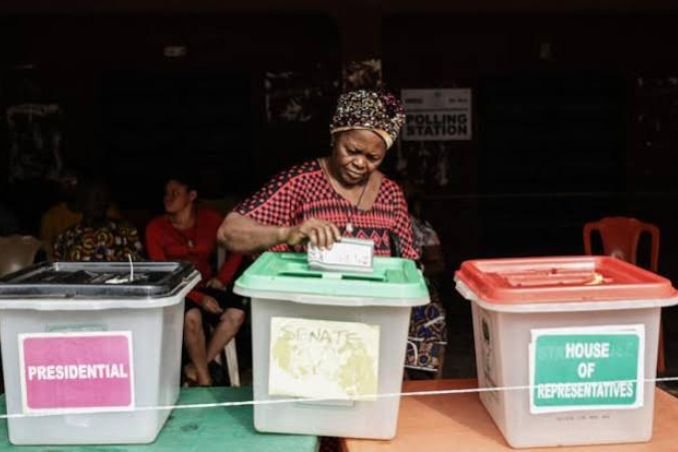
The vote is scheduled for 16 January 2027, alongside parliamentary elections, with gubernatorial contests following on 6 February. Tinubu, of the ruling APC, faces 18 opposition candidates, though informed observers expect a three-way contest featuring former Vice President Atiku Abubakar of the African Democratic Congress and Peter Obi of the Labour Party successor vehicle, the Nigeria Democratic Congress. Both men challenged Tinubu in the 2023 election.
The central question hanging over Tinubu’s bid is whether Nigerians believe the country is better off after nearly 12 years of APC governance, which began under Muhammadu Buhari in 2015. Opposition figures argue the period has left Africa’s most populous nation poorer, more indebted and no safer. Tinubu’s own reforms – scrapping a long-standing fuel subsidy and twice devaluing the naira, have intensified short-term pain even as his administration presents them as necessary foundations for longer-term recovery.
Risk advisory firm SBM Intelligence reports that nearly 80 percent of Nigerians say the country is headed in the wrong direction, with 45 percent citing economic hardship and insecurity as their top concerns.
Historically, Nigeria’s ruling party has enjoyed an advantage when the opposition field is crowded. Yet the depth of voter discontent, combined with persistent security challenges in parts of the country, means the contest remains competitive. Campaigning will test whether Tinubu can persuade enough voters that the reforms will eventually deliver results, or whether Abubakar and Obi can capitalise on the prevailing sense of hardship to force a change of power.
