
Poland Fast-Tracks EU Crypto Rules Following 350 Million Zloty Zondacrypto Collapse
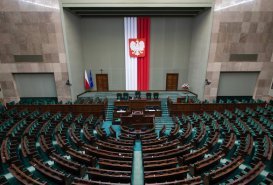
Polish lawmakers have approved legislation to regulate the cryptocurrency sector, implementing European Union rules at a time when the country is grappling with a major fraud investigation into the collapse of its largest digital asset exchange.
The bill, passed on Friday, brings Poland into line with the EU’s Markets in Crypto-Assets Regulation, known as MiCA, which member states must adopt by July. The development comes amid mounting scrutiny over the failure of Zondacrypto, once Poland’s leading crypto platform, where users have been unable to withdraw funds amid losses estimated at more than 350 million zlotys (around $96 million).
Prime Minister Donald Tusk has publicly linked the exchange’s troubles to possible Russian influence, describing its origins as “particularly shady” and alleging involvement of “Russian mafia” money.
According to Reuters, the legislation had faced previous setbacks, including vetoes by President Karol Nawrocki, who is aligned with the nationalist opposition. Nawrocki had argued that the government’s proposals imposed excessive burdens that could drive crypto businesses away from Poland. He offered an alternative bill with lower penalties, but Friday’s parliamentary vote advanced the government-backed version.
The president retains the power to veto the latest legislation, creating uncertainty over its final implementation. The timing of the vote is significant, as Poland’s financial watchdog has warned that failure to meet the July deadline would prevent Polish entities from legally providing crypto-asset services.
The new rules aim to bring greater oversight, consumer protection and transparency to a sector that has grown rapidly but remains vulnerable to fraud and illicit activities. The Zondacrypto case has become a focal point of political tension. Prosecutors are investigating the exchange’s collapse, with thousands of users locked out of their accounts.
The firm’s founder, Sylwester Suszek, disappeared in 2022, while his successor, Przemyslaw Kral, is reported to be in Israel, where he holds citizenship, potentially complicating any extradition efforts. Neither individual has responded to requests for comment. Tusk has used strong language to describe the situation, claiming that Russian money may have been used to fund political activities through the exchange’s sponsorship of events linked to opposition figures but Moscow has repeatedly denied any involvement in sabotage or interference in Poland.
The government has also accused Russia of using cryptocurrencies to finance disruptive activities across the country. Supporters of the new regulation argue that clearer rules will protect investors and reduce risks of money laundering or foreign meddling. Critics, particularly from the opposition, maintain that overly strict measures could stifle innovation and push legitimate businesses to more favourable jurisdictions.
Poland’s crypto sector has expanded in recent years, attracting both domestic users and international interest. However, high-profile failures like Zondacrypto have exposed weaknesses in consumer safeguards and regulatory gaps. The MiCA framework introduces licensing requirements, transparency obligations and measures to prevent market abuse, aiming to create a harmonised approach across the European Union.
The bill’s passage reflects broader European efforts to balance innovation with risk management in digital finance. Several other EU countries have already moved forward with implementation, while Poland’s delay had raised concerns about potential loss of competitiveness in the sector.
For ordinary Poles who invested in cryptocurrencies through platforms like Zondacrypto, the situation remains distressing. Many have lost significant savings, and recovery prospects appear uncertain as the criminal investigation continues. The case has also sparked wider debate about the risks associated with unregulated or lightly supervised digital asset platforms.
Political observers note that the crypto regulation debate has become entangled with larger questions about national security and foreign influence. Tusk’s government has repeatedly warned about Russian hybrid threats, including cyber operations and attempts to sow division through economic channels. The opposition has dismissed some of these claims as politically motivated, accusing the ruling coalition of exaggerating threats to consolidate power.
The president’s potential veto could prolong uncertainty. If blocked, the legislation would return to parliament, delaying full compliance with EU deadlines and leaving the sector in a regulatory grey zone.
