
Iran Advances Foreign Influence Bill
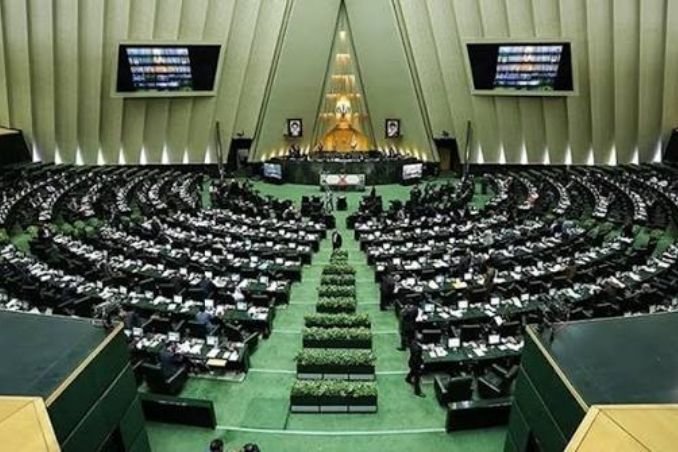
Iran’s parliament has approved the general principles of a bill that would criminalise interviews and other communications with media outlets deemed hostile to the Islamic Republic, including those linked to or financed by the United States or Israel.
According to reports in the Iranian newspaper Shargh, the legislation is intended to counter foreign intelligence influence. Osman Salari, a member of parliament’s judicial and legal commission, said the individual articles still require debate and approval, and that details circulating in the media should not yet be treated as final.
Under the proposed measures, interviews or participation in discussions with designated hostile media would be banned, with penalties ranging from six months to two years in prison. Interviews with other foreign media would require advance notification to the intelligence ministry. Contact with foreign embassies, offices of foreign organisations or other non-Iranian institutions without prior written permission from the foreign ministry would be punishable by a fine and the loss of certain social rights.
The bill would also increase penalties for economic crimes carried out under foreign direction or supervision, prohibit the sharing of information with foreigners without intelligence ministry approval, and restrict scientific cooperation to institutions on an approved list. Policy or legislative proposals made under the influence of foreign intelligence services that harm Iran’s security or independence could attract prison sentences of up to 30 years, with cases heard by Revolutionary Courts.
The text will now be examined article by article. Once parliament passes a final version, it must be reviewed by the Guardian Council before it can become law.
The initiative follows earlier restrictions. A 2025 law enacted after a brief conflict with Israel already imposed harsher penalties for alleged cooperation with hostile states. Photojournalist Yalda Moaiery was sentenced this month to 15 years under that statute on charges that included giving interviews to media considered hostile and supplying photographs to organisations linked to the United States and Israel.
The proposed bill forms part of a continuing effort by Iranian authorities to limit external influence over media activity, scientific exchange and domestic policy-making. Its final scope and enforcement will depend on the remaining parliamentary process and the Guardian Council’s decision.
