
ICC Finds CAR Commander Guilty of Crimes Against Humanity
The International Criminal Court has convicted Mahamat Said Abdel Kani of crimes against humanity for the abuse of prisoners at a detention centre in Bangui.
The judgment arrived after an hour of public reading in The Hague which could be one of the last the court delivers from its long investigation into the Central African Republic.
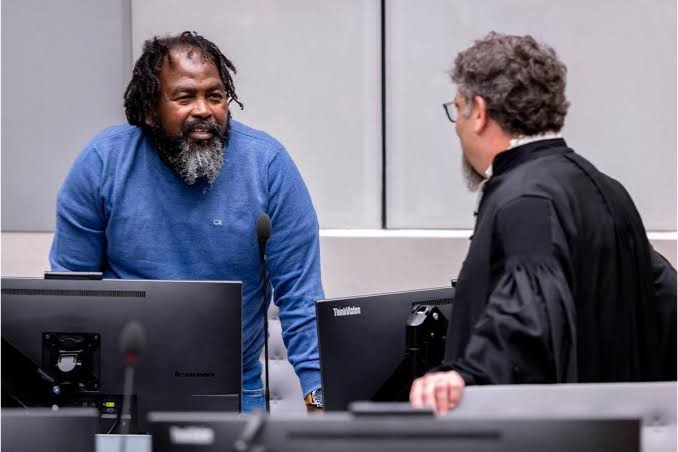
Said, once a commander in the Seleka movement that overthrew François Bozizé more than a decade ago, sat through the hearing in jeans and a sweater and barely moved while Judge Miatta Maria Samba went back over evidence the trial had already heard. Witnesses had spoken of crowded cells whose walls, she said, showed “bullet holes and blood,” of beatings that continued until detainees soiled themselves, and of people held in a windowless space under the floor of his office. Those facts belong to one prison in a war that also produced the anti-Balaka. The bench did not pretend to settle the whole of that history; it decided what happened to the people held in that building.
In Bangui, Marius Olivier Trésor Poussinga, who was tortured at the same place, told the Associated Press the verdict was “international recognition” of Said’s crimes and that he could sleep more easily because a court had named what was done to him. Justice Minister Arnaud Djoubaye Abazène said justice in the country could not be rolled back and that no victim would be left behind. Lewis Mudge of Human Rights Watch called the conviction a significant step against impunity and, in the same breath, a reminder that abuse in the Central African Republic has not stopped and that both international and domestic courts still need support if violence is not to keep feeding on the absence of a trial.
The Hague is close to walking away from this file. Karim Khan shut a fifteen-year investigation in 2022 because his office did not have the resources to continue; he left the prosecutor’s job in July after allegations of sexual misconduct. Two anti-Balaka leaders were convicted in July 2025.
The Special Criminal Court, created with United Nations backing and mixed international and national judges, was built to try war crimes and other abuses from the coups and wars that began in 2003. It issued a first verdict in 2022, has charged more than thirty people – nearly all of them already in custody, and this year opened an in-absentia case against Bozizé, who lives in exile in Guinea-Bissau. Edmond Beina, whom the ICC also wanted, is on trial there after the special court refused to send him to the Netherlands.
Last year the Trump administration withdrew American funding, and the court’s future is now an open question. Marceau Sivieude of Amnesty International said closing it would be disastrous because ordinary national courts still cannot carry the load the ICC has been carrying. People who want the court to live are asking the United Nations and the European Union to extend its mandate and replace the money.
Said pleaded not guilty when the trial opened in 2021. How long he will serve, which can be life, will be decided at a later hearing. Wednesday answered a narrower question: whether the treatment of prisoners in that Bangui centre amounted to crimes against humanity. The next question is who will hear the cases that are still waiting if both The Hague and the special court run out of will, or cash.
