

Drone Strike Hits M23-Controlled Kalundu Port in Uvira, Escalating Tensions in Eastern DRC
A drone strike hit the strategic port of Kalundu in Uvira on Wednesday, January 14, causing significant material damage and reported casualties, further destabilizing fragile ceasefire arrangements in eastern Democratic Republic of the Congo.
The attack occurred around 2:20 p.m. local time, with drones reportedly operated by Congolese government forces (FARDC) striking facilities in the port area, which has been under the control of the March 23 Movement (M23) rebel group and its allies since late 2025.
M23 spokesperson Lawrence Kanyuka condemned the strike as a “flagrant violation” of the ceasefire by the “Kinshasa regime,” citing “important material damage” to warehouses, vehicles, and port infrastructure, along with unspecified “losses in human lives.” Images circulated online showed collapsed structures, cratered areas, and debris around trucks and buildings.
Pro-government sources offered a sharply different account, claiming the drone — believed to be a Chinese-made CH-4 model — precisely targeted a building hosting a high-level meeting of M23 commanders and Rwandan Defense Force (RDF) officers. These reports alleged heavy losses, with estimates of more than 23 officers killed, including seven RDF personnel, and suggested the strike may have neutralized key rebel leadership. Independent verification remains limited due to restricted access to the site.
Kalundu port, a vital logistics hub on Lake Tanganyika, has been a focal point of contention. M23 seized control of Uvira and surrounding areas despite pledges to withdraw under regional peace initiatives. Previous drone strikes in December 2025 targeted M23 boats, underscoring the port’s military significance for supply lines and cross-border movements.
The incident comes amid the fragile Doha Framework Agreement, signed in November 2025, which aimed to facilitate dialogue between the DRC government and the AFC/M23 coalition, enable humanitarian access, and support refugee returns. Both sides have accused each other of repeated violations, with earlier drone strikes in Masisi causing civilian casualties and eroding trust.
The Congolese army has not officially confirmed or denied responsibility for Wednesday’s strike. M23 has called on national and international observers to note the alleged breach, warning of potential escalation.
Informed observers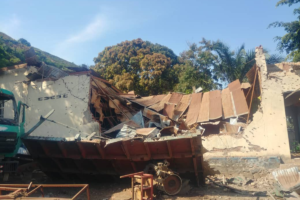 say the use of drones by FARDC reflects evolving tactics in the conflict but risks further civilian harm and complicates mediation efforts. Local residents in Uvira reported heightened fear, with some areas sealed off after the strike, preventing independent assessments. Humanitarian groups continue to warn of the impact on civilians caught in the crossfire of overlapping armed groups, allegations of foreign involvement — particularly Rwanda’s support for M23 — and fragile truces.
Wednesday’s events underscore how quickly localized military actions can threaten broader peace prospects in the Great Lakes region. Further developments, including official responses and casualty confirmations, are awaited.
