
South Africa Announces Temporary Withdrawal from G20 During U.S. Presidency Amid Diplomatic Tensions
South Africa has announced an unprecedented decision to temporarily step back from participation in the G20 during the United States’ presidency of the forum in 2026, a move Pretoria hopes will help de-escalate more than a year of growing diplomatic friction with Washington.
Finance Minister Enoch Godongwana confirmed the decision during remarks at the World Economic Forum in Davos last week, describing it as a “temporary setback” aimed at avoiding a deeper crisis in bilateral relations.
Speaking to Radio France Internationale (RFI), political analyst Koffi Kouakou from the University of the Witwatersrand called the step “rational” given the strained context, warning that South Africa’s absence risks creating a significant void in African representation within the G20.
Timeline & Triggering Events
The United States assumes the rotating G20 presidency in 2026 following South Africa’s landmark chairmanship in 2025—the first time an African nation led the bloc.
Tensions escalated sharply in November 2025 when U.S. President Donald Trump boycotted the G20 summit hosted in South Africa, accusing Pretoria of pursuing policies hostile to American interests. Trump later warned that South Africa would not be invited to U.S.-hosted G20 events in 2026 unless it aligned more closely with Washington’s positions.
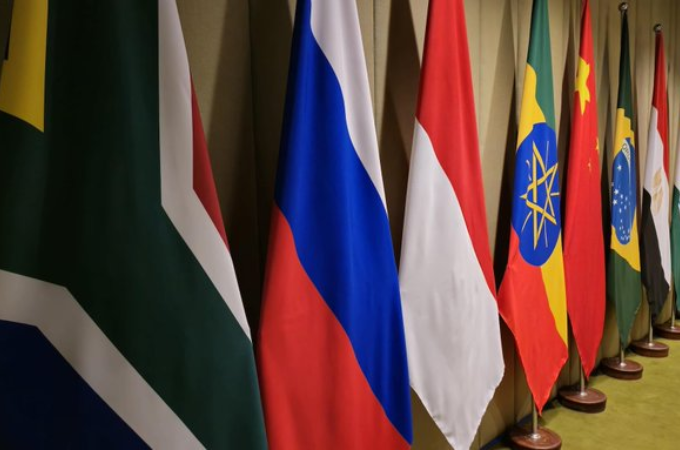
South Africa’s involvement in BRICS—particularly its close ties with Russia and China—has further complicated relations. Pretoria’s advocacy for alternatives to Western-led financial institutions and its refusal to fully align with U.S. positions on sanctions, Ukraine, and other global issues have reinforced perceptions in Washington that South Africa is drifting from Western strategic interests.
Additional Points of Contention
- Trade & Economic Relations — Disagreements over market access, preferential trade arrangements, and South Africa’s land reform policies have strained economic ties. Washington has repeatedly criticised aspects of the reforms, arguing they undermine investor confidence and social stability.
- Security & Foreign Policy — The U.S. has raised concerns about Iran’s alleged military training activities in South Africa, warning such cooperation risks undermining international sanctions regimes and Western security priorities.
- Symbolic & Diplomatic Frictions — Trump’s boycott of the 2025 summit and exclusion threats have been widely viewed in Pretoria as disrespectful to South Africa’s historic G20 chairmanship and its role representing the African Union and Global South.
Informed observers describe the temporary withdrawal as a pragmatic step to prevent further deterioration in relations, stating South Africa “wants to avoid any problem, any crisis with the United States.”
Implications & Reactions
- Global Representation — Kouakou warned that South Africa and the African Union (representing nearly 1.4 billion people) stepping back creates a “void of African representation within the G20,” potentially weakening the continent’s voice on global economic governance, climate finance, debt relief, and development issues.
- Domestic Debate — The move has sparked mixed reactions in South Africa. Supporters view it as a principled stand against perceived U.S. bullying and an assertion of sovereignty. Critics argue it risks isolating South Africa from key global economic discussions at a time when the country seeks increased foreign investment and trade diversification.
- U.S. – South Africa Relations — The decision reflects a broader cooling in ties under Trump’s second term, marked by tariff threats, criticism of South Africa’s BRICS alignment, and differing positions on global conflicts. Pretoria has maintained diplomatic channels remain open but has signalled limits to unilateral pressure.
South Africa’s G20 chairmanship in 2025 focused on African Union integration, climate finance, debt sustainability, and inclusive growth—priorities that contrasted with U.S. emphases on security, trade reciprocity, and countering China’s influence.
The temporary withdrawal during the U.S. presidency underscores deepening divergences in global governance visions between the two nations.
The decision is expected to prompt renewed debate on the future of the G20 as a truly representative forum, particularly regarding African and Global South participation.
