











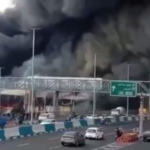
![Hon. Festus Keyamo SAN arrives MMIA past 11:50 p.m. Feb 23 to lead oversight of Terminal 1 fire. Joined FAAN MD & team actively managing situation. Directed morning inspection Tuesday to guide restoration & confirm safety standards. Reaffirmed focus on passenger safety. Story: [link] #KeyamoMMIA #FireIncident #FAAN](https://fullcliphq.com/wp-content/uploads/2026/02/mym-150x150.jpg "MMIA Fire: Keyamo Inspects Lagos Airport After Terminal 1 Blaze Disrupts Flights")
















































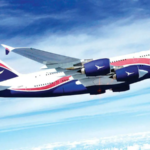





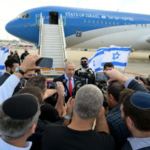



































































































































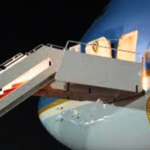


















































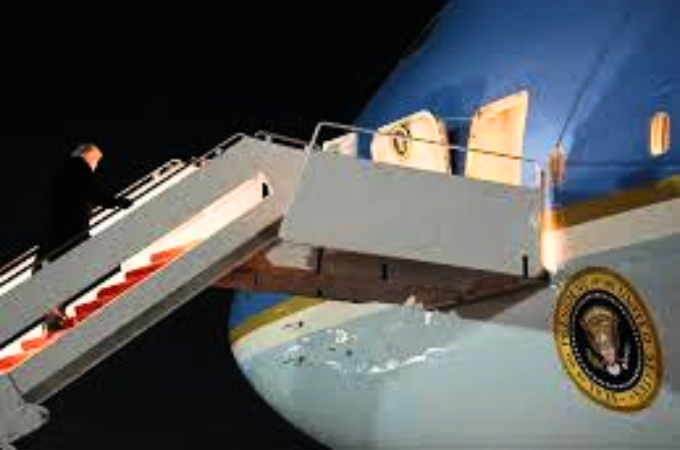
President Donald Trump’s primary Air Force One aircraft—a Boeing 747-200B (tail number 29000)—returned safely to Joint Base Andrews late Tuesday night after the crew detected a minor electrical issue shortly after departure.
The precautionary turnaround occurred as the president was en route to Davos, Switzerland, for the World Economic Forum Annual Meeting (January 21–24).
The aircraft departed Andrews around 9:30 p.m. ET on January 20, carrying the president, his delegation, and press pool. Shortly after takeoff, crew members identified a non-critical electrical anomaly, prompting adherence to strict presidential aviation protocols that require immediate return for any irregularity. Reporters aboard noted brief flickering of cabin lights, but no emergency was declared.
Air Force One landed safely at approximately 11:07 p.m. ET (with some reports citing closer to 12:30 a.m. ET). President Trump transferred to a backup aircraft—a modified Boeing 757 (C-32)—and departed shortly after midnight, arriving in Davos with minimal disruption to his schedule. White House Press Secretary Karoline Leavitt described the decision as taken “out of an abundance of caution.”
Aircraft Age and Replacement Plans
The incident underscores the challenges of operating the aging Air Force One fleet. The two Boeing 747-200Bs, delivered in 1990, have undergone decades of maintenance and upgrades but remain subject to wear. Replacement discussions have long been underway, and two Boeing 747-8s—gifted by Qatar in 2024—are currently being modified with secure communications and defensive systems. They are expected to enter service by 2027–2028, ending reliance on the current aircraft.
Public and Media Reaction
Initial concern spread rapidly online, amplified by real-time flight tracking platforms such as Flightradar24 and ADS-B Exchange, which allowed the public to monitor the aircraft’s return. Once the safe landing and transfer were confirmed, sentiment shifted to relief and praise for the professionalism of the Air Force crew and Secret Service protocols. The episode highlighted the transparency of modern tracking tools compared to the secrecy surrounding presidential travel in earlier decades.
Davos Agenda
The brief delay did not materially affect Trump’s Davos itinerary. He is expected to emphasize U.S. economic strength, citing $18 trillion in new investments since his return to office and gasoline prices averaging $1.99 per gallon nationwide. His agenda includes meetings with world leaders and remarks on trade, energy, and geopolitics, amid ongoing transatlantic tensions over tariffs and Greenland sovereignty.