









![Hon. Festus Keyamo SAN arrives MMIA past 11:50 p.m. Feb 23 to lead oversight of Terminal 1 fire. Joined FAAN MD & team actively managing situation. Directed morning inspection Tuesday to guide restoration & confirm safety standards. Reaffirmed focus on passenger safety. Story: [link] #KeyamoMMIA #FireIncident #FAAN](https://fullcliphq.com/wp-content/uploads/2026/02/mym-150x150.jpg "MMIA Fire: Keyamo Inspects Lagos Airport After Terminal 1 Blaze Disrupts Flights")










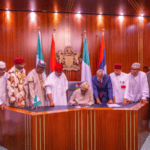





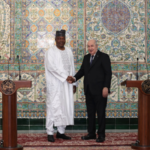


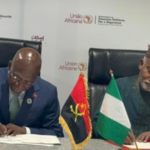




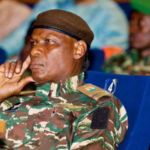

















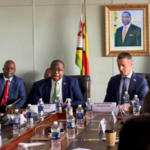
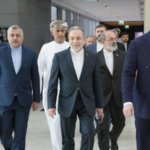










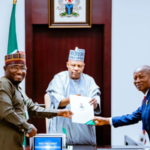
















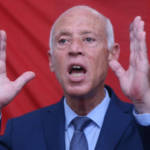



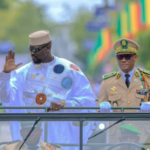



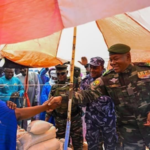













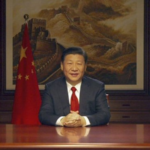



















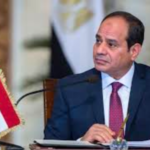









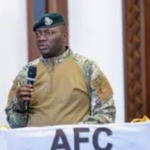









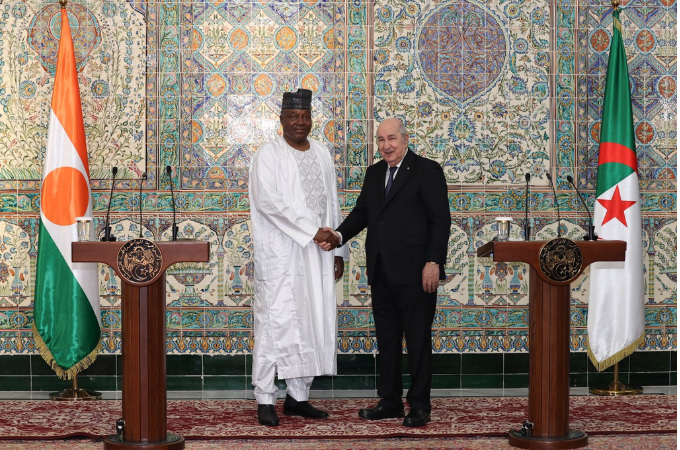
Algeria and Niger have taken a major step toward mending relations after more than ten months of diplomatic strain, with Niger’s transitional leader General Abdourahamane Tiani completing a two – day official visit to Algiers that concluded on February 16, 2026.
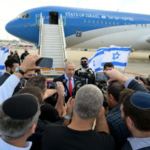
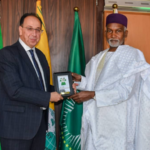
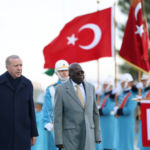
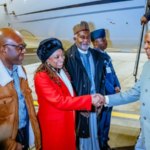
Tiani arrived on February 15 at the invitation of Algerian President Abdelmadjid Tebboune and was greeted with full military honors at Houari Boumediene International Airport. Discussions began immediately in the VIP lounge and continued over the next two days with expanded delegations that included ministers responsible for defense, foreign affairs, energy, mining, and infrastructure.
The talks ended with a joint press conference where both leaders declared the opening of a “new phase” in bilateral relations. Tebboune described the visit as formally closing “a difficult period of distance” between the two countries. Tiani echoed the sentiment, expressing shared determination to rebuild practical cooperation across multiple sectors.
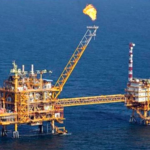
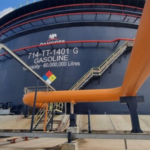
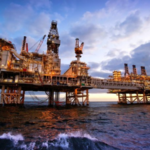
The centerpiece of the agreement was the decision to revive the long-delayed Trans-Saharan Gas Pipeline (TSGP) project. The pipeline would transport natural gas from Nigeria’s Niger Delta region through Niger to Algeria’s Hassi R’Mel hub, and onward to European markets via existing Algerian export infrastructure.
Trans-Saharan Gas Pipeline – Key Project Details
The proposed Trans-Saharan Gas Pipeline is a 4,128 – kilometer natural gas transport route with the following core features:
-
Route: Approximately 1,000 km through Nigeria, 840 km through Niger, and 2,300 km through Algeria.
-
Initial Capacity: Planned at 30 billion cubic meters per year (roughly 2.8 billion cubic feet per day), with potential for future expansion.
-
Estimated Cost: Previous assessments placed the total project cost in the $10 – 13 billion range (2020s figures), covering pipeline construction, compressor stations, metering facilities, and interconnects with existing infrastructure.
-
Strategic Purpose: The pipeline would provide Nigeria with a major new export route to Europe, generate significant transit revenue for Niger, and reinforce Algeria’s position as a key supplier of natural gas to European markets.
The project was first conceptualized in the 1970s–1980s and has been revived multiple times (notably 2002 – 2006 and 2009 – 2013) but repeatedly stalled due to financing difficulties, regional insecurity, shifting European gas demand, and geopolitical tensions. The Algeria – Niger agreement now represents the strongest commitment to the pipeline in over a decade, with both leaders expressing confidence in overcoming past obstacles.
Security and Regional Alignment
On security, Tebboune affirmed that Algeria and Niger stand united in the fight against terrorism, promising close cooperation using Algeria’s counterterrorism capabilities. Tiani thanked Algeria for respecting Niger’s sovereignty and political decisions since the July 2023 military intervention that removed President Mohamed Bazoum. He specifically praised Algeria’s 2023 refusal to allow French forces to use its airspace for any potential military action in Niger, describing it as a principled stand in defense of African autonomy.
The visit follows rapid recent normalization steps. Algeria reinstated its ambassador to Niamey shortly before Tiani’s arrival, after Niger had already returned its envoy to Algiers. Full diplomatic relations were formally restored on February 12, 2026, ending a rift that began over differing responses to the 2023 coup, regional security alignments, and the creation of the Alliance of Sahel States (AES) by Niger, Mali, and Burkina Faso.
The delegations also addressed shared priorities: joint border security measures, coordinated counterterrorism operations against jihadist groups in the Sahel, and economic integration initiatives to benefit citizens of both countries. Tiani described the engagement as opening “a new chapter for the Sahel and Africa,” emphasizing practical collaboration over past divisions.
This marks Tiani’s first official visit to Algeria since assuming power in July 2023. It reflects deliberate efforts by both governments to prioritize bilateral pragmatism, even as broader Sahel alignments continue to evolve – including the AES countries’ reduced reliance on certain Western military partnerships and increased focus on regional and continental ties.

![Hon. Festus Keyamo SAN arrives MMIA past 11:50 p.m. Feb 23 to lead oversight of Terminal 1 fire. Joined FAAN MD & team actively managing situation. Directed morning inspection Tuesday to guide restoration & confirm safety standards. Reaffirmed focus on passenger safety. Story: [link] #KeyamoMMIA #FireIncident #FAAN](https://fullcliphq.com/wp-content/uploads/2026/02/mym.jpg)