








![Hon. Festus Keyamo SAN arrives MMIA past 11:50 p.m. Feb 23 to lead oversight of Terminal 1 fire. Joined FAAN MD & team actively managing situation. Directed morning inspection Tuesday to guide restoration & confirm safety standards. Reaffirmed focus on passenger safety. Story: [link] #KeyamoMMIA #FireIncident #FAAN](https://fullcliphq.com/wp-content/uploads/2026/02/mym-150x150.jpg "MMIA Fire: Keyamo Inspects Lagos Airport After Terminal 1 Blaze Disrupts Flights")





























































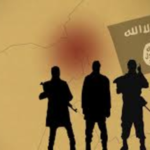





































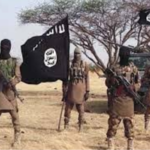


































































































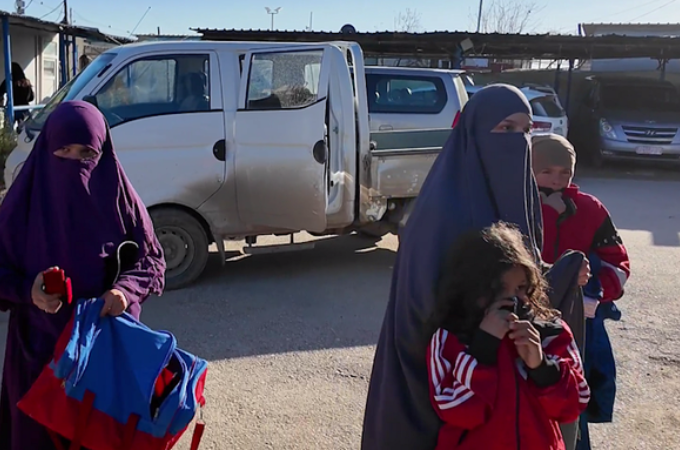
Prime Minister Anthony Albanese has restated the Australian government’s firm position: it will not provide any form of support, assistance, or facilitation for the repatriation of families linked to Islamic State (ISIS) fighters currently detained in refugee camps in north – eastern Syria.
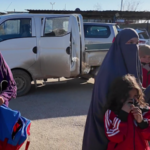
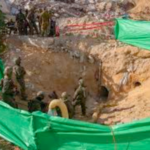
The statement followed an attempt by a group of 34 Australians – 11 women and 23 children – to leave the Al-Roj camp on February 15, 2026, with the intention of travelling to Australia via Damascus. Syrian authorities halted their journey, citing inadequate coordination, and forced the group to return to the camp. It remains uncertain whether they will make another attempt in the near future.
Albanese told the ABC that while the government has certain legal obligations, no help would be given for repatriation. He described the individuals as having chosen to travel overseas in support of ISIS and the establishment of a caliphate. “My mother would have said if you make your bed, you lie in it,” he remarked, reinforcing the administration’s view that those who joined ISIS must accept the consequences of their choices.
Home Affairs Minister Tony Burke confirmed the government is actively seeking advice on whether the criteria for Temporary Exclusion Orders (TEOs) have been met for the adults in the group.
What Are Temporary Exclusion Orders (TEOs)?
Temporary Exclusion Orders are a legal mechanism under Australian law designed to manage national security risks posed by citizens who have participated in overseas terrorism-related activities.
-
Legal Framework: TEOs are authorised by the Australian Passports Act 2005 (as amended) and Division 105A of the Criminal Code Act 1995 (Cth).
-
Criteria: The Home Affairs Minister may issue a TEO if satisfied that the individual has engaged in conduct overseas that would constitute a terrorism offence if committed in Australia, or has been involved in a declared area offence, or has trained with or received training from a terrorist organisation.
-
Duration: An initial TEO lasts up to 2 years and can be renewed if the risk persists.
-
Effect: It cancels or prevents issuance of an Australian passport and bars the person from entering Australia without a special return permit.
-
Age Restriction: TEOs apply only to individuals aged 14 years or older.
-
Return Process: A person under a TEO can apply for a temporary return permit, which may be granted with strict conditions such as electronic monitoring, curfews, travel restrictions, or association bans.
-
Review Mechanism: The decision can be reviewed by the Administrative Appeals Tribunal (AAT) or challenged in court.
TEOs were introduced to address the large number of Australians who travelled to Syria and Iraq to join ISIS or similar groups between 2014 and 2019. They allow the government to prevent or closely control the return of individuals assessed as posing an ongoing threat.
Past Repatriations and Security Concerns
Australia has repatriated limited numbers of citizens from Syrian camps in recent years:
-
2019: Eight orphaned children of killed ISIS fighter Khaled Sharrouf were brought back with aid agency support.
-
2022: The Albanese government repatriated four women and 13 children, citing national security assessments.
-
Last Year: When a small group returned, the government clarified no official assistance was provided.
Albanese acknowledged the presence of children in the current group as “unfortunate” but maintained the no-assistance policy. He added that any individuals who return independently will face full legal consequences if crimes have been committed.
Opposition Perspective
Liberal Senator Sarah Henderson argued that adults linked to ISIS ideology should be barred from returning, citing public safety. She suggested TEOs as one available tool to prevent re-entry. The government maintains that decisions are guided by detailed advice from law enforcement, security, and intelligence agencies.
Camp Conditions
The Al-Roj camp director, Hakmiyeh Ibrahim, has repeatedly urged foreign governments to repatriate citizens, warning that children raised in the camps are exposed to extremist ideologies. She has suggested rehabilitation programs could help if families are removed from the environment.
The Australian group remains in Syria, with no clear path forward. The government’s stance reflects ongoing concerns about radicalization risks and community safety upon return.