









![Hon. Festus Keyamo SAN arrives MMIA past 11:50 p.m. Feb 23 to lead oversight of Terminal 1 fire. Joined FAAN MD & team actively managing situation. Directed morning inspection Tuesday to guide restoration & confirm safety standards. Reaffirmed focus on passenger safety. Story: [link] #KeyamoMMIA #FireIncident #FAAN](https://fullcliphq.com/wp-content/uploads/2026/02/mym-150x150.jpg "MMIA Fire: Keyamo Inspects Lagos Airport After Terminal 1 Blaze Disrupts Flights")























































































































































































































































































































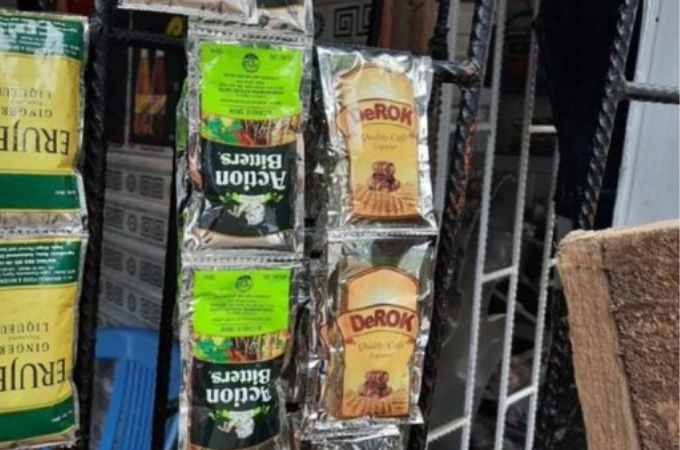
Civil society organisations defending consumer rights have warned they may shut down NAFDAC offices across the country unless the agency reviews its enforcement of the ban on sachet alcoholic beverages.
The threat adds fresh momentum to a growing backlash from unions and industry stakeholders who say the policy risks wiping out millions of jobs and worsening economic hardship.
The warning comes after weekend protests at NAFDAC’s Lagos office by members of the Food, Beverages and Tobacco Senior Staff Association (FOBTOB) and the National Union of Food, Beverages and Tobacco Employees, who say the ban could jeopardise up to 5.5 million jobs across production, distribution and retail.
CSO Coalition: Ban Punishes the Poor
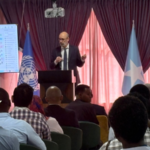
Speaking at Monday’s demonstration, Declan Ihekaire, representing the coalition of CSOs, said the planned shutdown was to show solidarity with distillers and workers displaced by the regulatory decision.
He argued that sachet alcohol serves as an affordable option for low‑income Nigerians and warned the ban would deepen hardship:
“Millions of Nigerians have gone low‑key by consuming those products because of income levels. It’s not everybody who can afford Hennessy and other big drinks. Saying we shouldn’t take such a drink is like saying don’t drink sachet water — only drink bottled water.”
He also accused the government of using regulators to impose policies that disproportionately affect the poor, insisting that regulation, not prohibition, is the appropriate response to health concerns.
Unions Dispute NAFDAC’s Claims
FOBTOB Lagos branch chairman Somefun Olamiye rejected NAFDAC Director‑General Prof Mojisola Adeyeye’s claim that sachet alcohol can contain 95% alcohol content, saying no registered sachet beverage exceeds 43% ABV.
FOBTOB Executive Secretary Solomon Adebosin questioned why products that had been previously approved, tested, registered, and periodically renewed by NAFDAC were now labelled hazardous, calling the reversal damaging to regulatory credibility.
NAFDAC Defends Ban as Public Health Measure
During a meeting with the unions on 23 January, Prof Adeyeye defended the policy as necessary to protect children from early exposure to alcohol:
“What our own liver can take, children’s liver may not be able to take. A child who begins drinking at 10 has a high probability of developing liver cirrhosis by 40. We obey the law because this is in the interest of public health.”
Public Health vs Livelihoods
The ban on sachet and small‑bottle (≤200ml) alcoholic drinks was introduced to curb underage drinking, addiction and public health risks.
However, critics note that sachet alcohol remains a crucial income source for:
- small‑scale traders,
- widows,
- families funding school fees,
- and thousands of informal workers.
Industry groups argue that enforcement will lead to:
- job losses,
- reduced tax revenue,
- and the collapse of micro‑businesses across Nigeria.
Mounting Pressure on Regulators
The CSO coalition says protests will continue until the Federal Government opens dialogue and reviews the policy.
The Federal Ministry of Health has not responded to the latest threat as of 27 January.
NAFDAC maintains its stance, insisting the ban is a public health necessity. Unions and CSOs, however, warn that livelihoods must also be considered in any regulatory framework.