







![Hon. Festus Keyamo SAN arrives MMIA past 11:50 p.m. Feb 23 to lead oversight of Terminal 1 fire. Joined FAAN MD & team actively managing situation. Directed morning inspection Tuesday to guide restoration & confirm safety standards. Reaffirmed focus on passenger safety. Story: [link] #KeyamoMMIA #FireIncident #FAAN](https://fullcliphq.com/wp-content/uploads/2026/02/mym-150x150.jpg "MMIA Fire: Keyamo Inspects Lagos Airport After Terminal 1 Blaze Disrupts Flights")



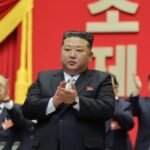



































































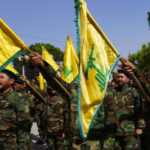











































































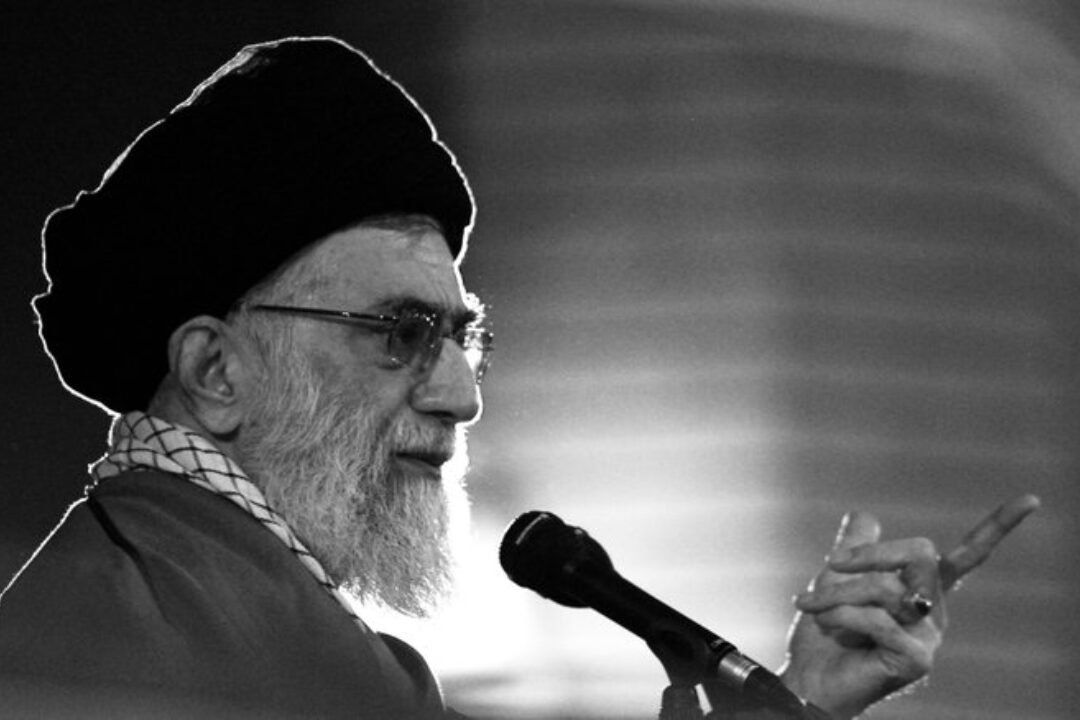
Ayatollah Ali Khamenei, Iran’s Supreme Leader since 1989 and the most powerful figure in the Islamic Republic, has been killed in the series of joint U.S.-Israeli airstrikes targeting political and leadership sites in central Tehran, according to multiple Israeli, U.S., and regional intelligence sources.
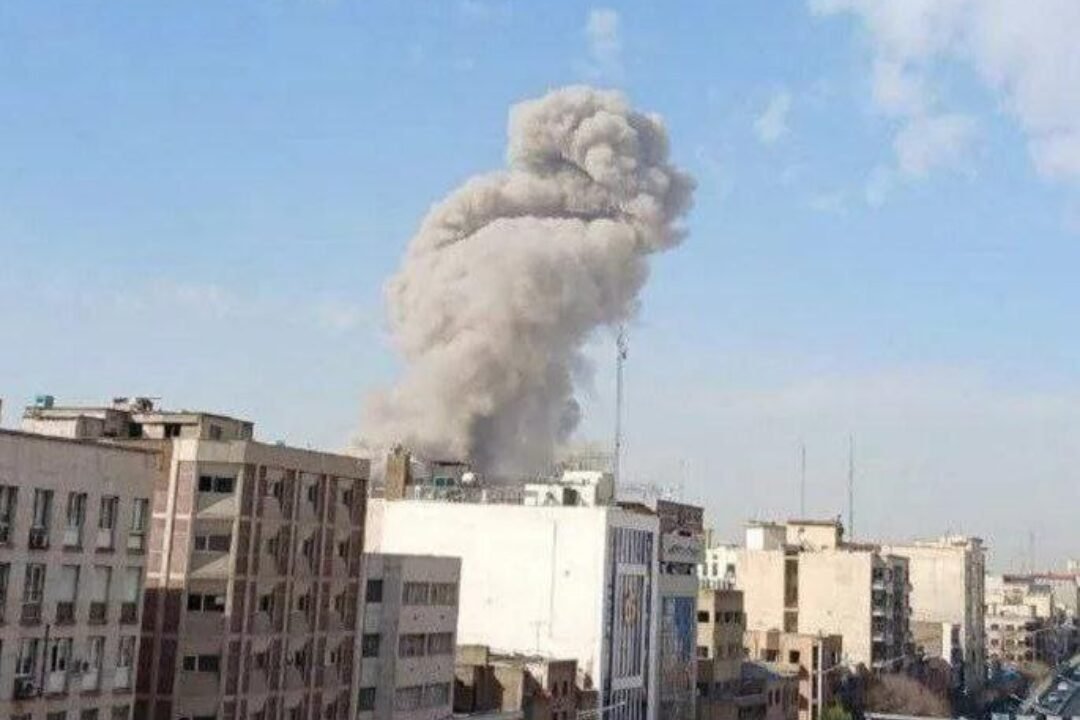
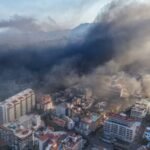
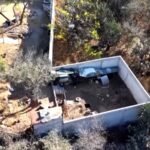
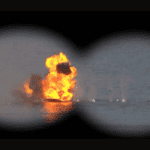
Israeli Prime Minister Benjamin Netanyahu stated there are “many signs” confirming Khamenei is “no longer with us.” U.S. President Donald J. Trump, speaking to NBC News shortly after the strikes, said he believes the reports are “correct” and added that “most decision makers in Tehran are gone.” The attacks, part of an ongoing operation codenamed Roaring Lion (or similar designation), struck Khamenei’s primary compound and offices, with satellite imagery showing extensive structural damage and thick black smoke rising over the capital.
Iranian Foreign Minister Abbas Araghchi told NBC News that Khamenei and President Masoud Pezeshkian are “alive as far as I know,” but this statement has been contradicted by U.S. and Israeli confirmations. Iranian state media has not acknowledged the Supreme Leader’s death, and the regime appears to be in disarray, with nationwide internet service largely blocked and limited official communication.
The strikes mark a dramatic escalation in the U.S.-Israel campaign against Iran. Earlier in the day, Israel launched preemptive attacks on Tehran political infrastructure, including areas near Khamenei’s residence, the presidency, and Ministry of Intelligence buildings. Explosions were reported in downtown Tehran, with air defenses active. No confirmed strikes on nuclear facilities, missile sites, or oil infrastructure have been widely reported yet.
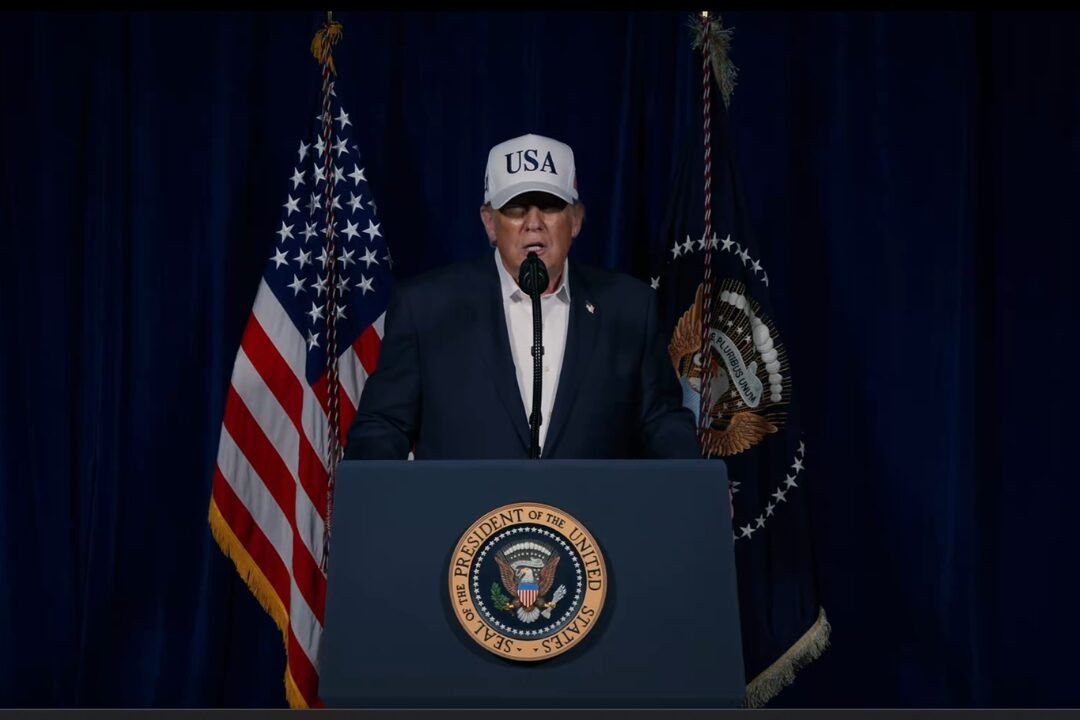
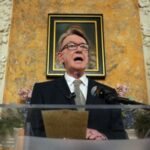
President Trump confirmed U.S. involvement in an eight-minute video address posted early Saturday morning to Truth Social and X, stating the United States is conducting “major combat operations” against Iran to eliminate the “imminent threat” from its rebuilt nuclear program and missile capabilities. He described the campaign as “massive and ongoing,” targeting nuclear infrastructure and missile systems, and framed it as defensive to prevent Iran from acquiring nuclear weapons.
Trump appealed directly to Iranian military personnel and civilians. To members of the Islamic Revolutionary Guard Corps, armed forces, and police, he offered “complete immunity” if they lay down their weapons, warning otherwise they would “face certain death.” To ordinary Iranians, he declared: “The hour of your freedom is at hand. When we are finished, take over your government. It will be yours to take,” while advising them to stay indoors due to expected heavy bombardment.
He acknowledged inevitable U.S. casualties – “American lives will be lost, but that’s a casualty of war” – but stressed the goal is threat elimination rather than prolonged occupation. Trump reiterated a preference for diplomacy but insisted Iran must publicly renounce nuclear-weapons development, vowing the U.S. would “never allow” the regime to succeed.
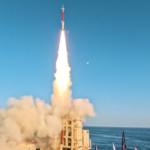
Iran retaliated with over 150 missiles fired at Israel and regional targets. Israel declared a nationwide state of emergency, closing schools, non-essential workplaces, international airspace, and imposing strict home-front restrictions. Air raid sirens sounded across the country. Regional airspace restrictions forced numerous flight diversions.
The killing of Khamenei, 86, would be only the second leadership transition since the 1979 Islamic Revolution. No clear successor has been named, raising the prospect of internal power struggles, regime instability, or further escalation. Tehran residents have been seen celebrating in the streets over reports of Khamenei’s death, reflecting deep internal discontent.
Oil markets are on high alert. While no confirmed strikes have targeted Iranian production or export facilities, any disruption to the Strait of Hormuz – through which 20 – 25% of global seaborne oil and LNG passes – could trigger sharp price spikes. Informed observers expect Brent crude to test $80+ per barrel in the immediate term if retaliation affects shipping or Gulf output, with more severe shocks possible in a prolonged crisis.
The situation remains extremely volatile. The White House, Pentagon, and Israeli officials are expected to provide further details on targets, objectives, and next phases. Iran has not yet issued a formal response beyond airspace closure and state-media acknowledgment of explosions. Travelers, businesses, and governments should monitor official alerts from the U.S., Israel, Iran, and regional authorities for real-time updates on security, airspace, and potential escalation.