






![Hon. Festus Keyamo SAN arrives MMIA past 11:50 p.m. Feb 23 to lead oversight of Terminal 1 fire. Joined FAAN MD & team actively managing situation. Directed morning inspection Tuesday to guide restoration & confirm safety standards. Reaffirmed focus on passenger safety. Story: [link] #KeyamoMMIA #FireIncident #FAAN](https://fullcliphq.com/wp-content/uploads/2026/02/mym-150x150.jpg "MMIA Fire: Keyamo Inspects Lagos Airport After Terminal 1 Blaze Disrupts Flights")
















































































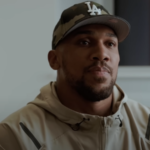











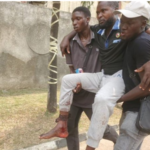




















































The driver of the vehicle carrying British-Nigerian heavyweight boxer Anthony Joshua appeared in court today in connection with the December 29, 2025, accident on the Lagos-Ibadan Expressway that killed two of Joshua’s close associates.
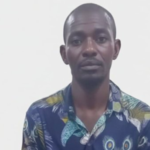
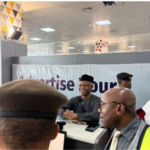
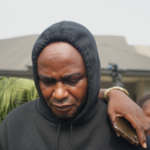
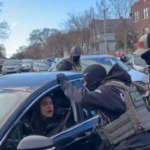
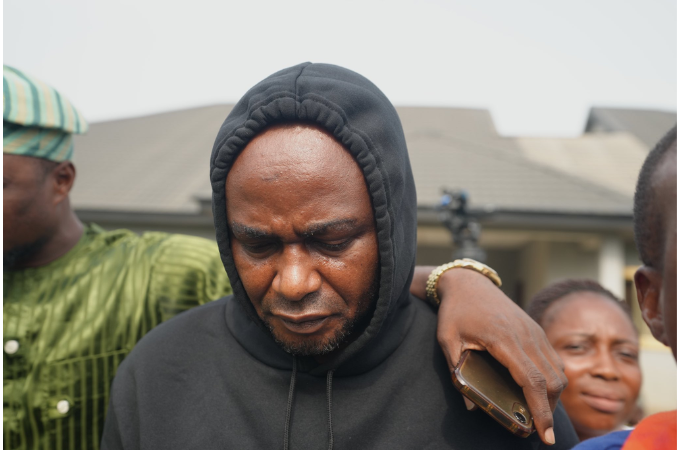
Adeniyi Mobolaji Kayode, 46, Joshua’s personal chauffeur, faced proceedings in Ogun State over charges of causing death by dangerous driving and related traffic offences. Local media footage showed Kayode arriving in court, escorted by security amid a crowd of journalists and onlookers.
The Crash
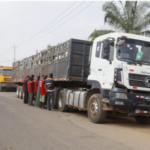
The collision occurred in the early hours of December 29 when the Lexus SUV Kayode was driving—occupied by Joshua, his longtime trainer Latif “Latz” Ayodele (36), and strength and conditioning coach Sina Ghami (36)—struck the rear of a stationary truck parked on the hard shoulder.
Preliminary findings by the Federal Road Safety Corps (FRSC) cited excessive speed and an improper overtaking manoeuvre as primary causes. Ayodele and Ghami were pronounced dead at the scene. Joshua and Kayode sustained minor injuries; Joshua was treated and discharged from Lagoon Hospital in Lagos two days later.
Legal Proceedings
Kayode was first arraigned on January 2, 2026, at Sagamu Magistrate Court on a four-count charge brought by the Ogun State Police Command:
- Causing death by dangerous driving
- Reckless and negligent driving
- Driving without due care and attention, causing bodily harm and damage to property
- Driving without a valid national driver’s licence
He entered a not-guilty plea. Bail was set at ₦5 million (approx. $3,500 USD) with two sureties, though Kayode remained in custody until conditions were met. Today’s hearing marked the latest stage in the case, which has now been adjourned to February 25, 2026 for continuation.
Wider Road Safety Context
The tragedy has reignited debate about road safety in Nigeria, where high-speed crashes on major highways remain common. FRSC statistics show 5,421 fatalities from 9,570 reported incidents in 2024 alone, with speeding, poor vehicle maintenance, improper parking, and weak enforcement frequently cited as factors.
The Lagos-Ibadan Expressway, one of Nigeria’s busiest transport corridors, has a long history of deadly accidents despite ongoing rehabilitation projects. The crash has drawn attention not only because of Joshua’s international profile as a former two-time unified heavyweight champion, but also because it highlights systemic issues on Nigerian roads and with Nigerian drivers.
Public Reaction
Social media reactions to Kayode’s court appearance have been polarized. Some Nigerians questioned inconsistencies in how traffic fatalities are prosecuted—particularly when compared to cases involving commercial truck drivers or less prominent individuals. Others focused on justice for the victims’ families and urged stricter enforcement of traffic laws.
Joshua, who attended a funeral home viewing with his mother before Ayodele and Ghami’s bodies were repatriated, has not commented publicly on the legal proceedings.
Looking Ahead
Authorities, including the FRSC, have renewed calls for motorists to observe speed limits, avoid risky overtaking, and ensure vehicles are roadworthy, especially on high-traffic routes. The case remains under close public scrutiny, with further hearings expected to clarify evidence, witness testimonies, and potential outcomes.