


![Hon. Festus Keyamo SAN arrives MMIA past 11:50 p.m. Feb 23 to lead oversight of Terminal 1 fire. Joined FAAN MD & team actively managing situation. Directed morning inspection Tuesday to guide restoration & confirm safety standards. Reaffirmed focus on passenger safety. Story: [link] #KeyamoMMIA #FireIncident #FAAN](https://fullcliphq.com/wp-content/uploads/2026/02/mym-150x150.jpg "MMIA Fire: Keyamo Inspects Lagos Airport After Terminal 1 Blaze Disrupts Flights")

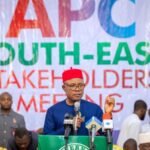

















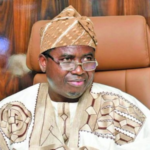





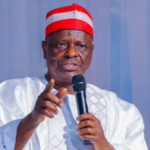








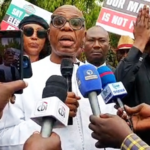

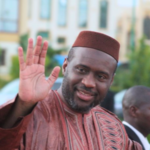











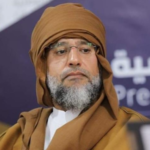




































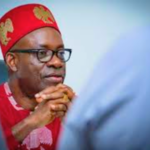

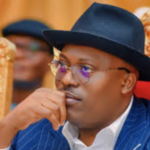








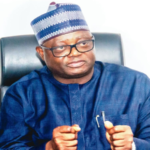























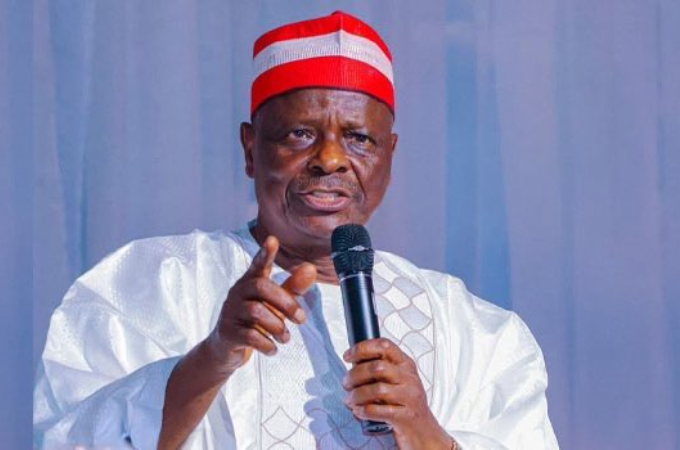
The Kwankwasiyya movement has formally appealed to the United States Congress to dismiss the Nigeria Religious Freedom and Accountability Act of 2026 (H.R. 7457) and eliminate any mention of its leader, Senator Rabiu Musa Kwankwaso, from the proposed legislation.
In a statement released to journalists on February 12, 2026, movement spokesperson Habibu Mohammed labeled the inclusion of Kwankwaso’s name as baseless and potentially motivated by personal vendettas or political rivalries. He urged U.S. lawmakers to safeguard the integrity of their legislative process and avoid allowing it to be influenced by such agendas.
Mohammed highlighted Kwankwaso’s extensive public service record spanning more than three decades. The senator has held prominent positions including Deputy Speaker of the House of Representatives, two-term Governor of Kano State, Minister of Defence, Senator of the Federal Republic, and 2023 presidential candidate. Throughout this career, Mohammed stated, Kwankwaso has never faced indictment, prosecution, or any credible accusation of involvement in religious persecution, extremism, or human rights abuses.
He pointed out that the adoption of Sharia legal systems in several northern Nigerian states occurred through collective legislative action under Nigeria’s federal constitution. These systems remain subject to national constitutional safeguards and higher court review. Mohammed questioned the fairness of targeting Kwankwaso specifically when similar legal frameworks exist in multiple states, raising doubts about the evidence and consistency behind the bill’s references.
The spokesperson emphasized that U.S. foreign relations are traditionally guided by respect for national sovereignty and contextual understanding. He noted that the United States maintains diplomatic and strategic partnerships with various countries whose legal systems incorporate Islamic jurisprudence, suggesting that Nigeria’s constitutionally recognized legal diversity should be approached with similar consideration absent clear, individual evidence of misconduct.
Mohammed underscored Kwankwaso’s consistent efforts to foster peaceful coexistence. During his time as governor, Kwankwaso maintained positive engagement with Christian leaders and minority communities, prioritizing harmony across religious lines. The senator’s 2023 presidential ticket pairing with Bishop Isaac Idahosa was presented as further evidence of his dedication to religious inclusion and national unity.
The movement described the allegations as incompatible with Kwankwaso’s well-documented actions against extremism, his protection of lives regardless of faith, and his emphasis on unity. Mohammed appealed for fairness, urging U.S. legislators to evaluate any references to Kwankwaso based solely on verifiable evidence rather than selective claims or misinformation.
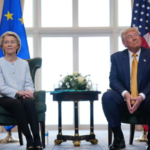
The Nigeria Religious Freedom and Accountability Act of 2026 (H.R. 7457), introduced on February 10, 2026, by U.S. Representatives Riley Moore (R-WV) and Chris Smith (R-NJ), requires annual reporting by the U.S. State Department on religious persecution and mass atrocities against Christians in Nigeria. Supported by several Republican lawmakers, the bill has stirred debate in Nigeria over perceived foreign overreach in domestic matters.
Recall that Rabiu Kwankwaso, leader of the Kwankwasiya Movement and presidential candidate of the New Nigeria Peoples Party (NNPP) in the 2023 election, had advised the United States to assist the Nigerian authorities with better cutting-edge technology to tackle insecurity, rather than issuing threats that could further polarize the country.
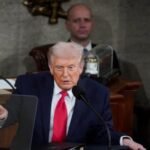
His comment followed President Donald Trump’s designation of Nigeria as a country of particular concern over widely reported and researched Christian genocide claims.