












![Hon. Festus Keyamo SAN arrives MMIA past 11:50 p.m. Feb 23 to lead oversight of Terminal 1 fire. Joined FAAN MD & team actively managing situation. Directed morning inspection Tuesday to guide restoration & confirm safety standards. Reaffirmed focus on passenger safety. Story: [link] #KeyamoMMIA #FireIncident #FAAN](https://fullcliphq.com/wp-content/uploads/2026/02/mym-150x150.jpg "MMIA Fire: Keyamo Inspects Lagos Airport After Terminal 1 Blaze Disrupts Flights")



















































































































































































































































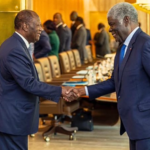

























































































President Bola Ahmed Tinubu has signed the Electoral Act, 2022 (Repeal and Re-Enactment) Amendment Bill 2026 into law, introducing updated rules that will govern Nigeria’s general elections in 2027.
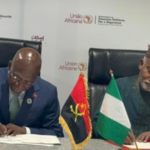
The signing took place at the State House in Abuja around 5:00 p.m. local time. Senate President Godswill Akpabio, Speaker of the House of Representatives Tajudeen Abbas, and Chief of Staff Femi Gbajabiamila were among the principal officers present at the ceremony.
The National Assembly passed the harmonized version of the bill on February 17, 2026, after weeks of intensive deliberations, rescissions, recommittals, and clause-by-clause reviews in both chambers to reconcile differences between the Senate and House versions.
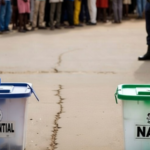
The amendments address several aspects of the electoral process based on lessons from previous elections. Presiding officers are now required to upload polling-unit results electronically to the Independent National Electoral Commission’s (INEC) Result Viewing Portal (IReV) in real time after completing and signing Form EC8A, with party agents countersigning where present. If electronic transmission fails due to network issues, power outages, or other disruptions, the manually signed Form EC8A becomes the authoritative document for collation and result declaration.
Additional changes streamline voter registration by limiting acceptable identification documents to three – birth certificate, international passport, and National Identification Number – while allowing voters to download their permanent voter cards. The law mandates direct primaries for political parties in most circumstances to limit opportunities for vote-buying and eliminates indirect primaries in specified cases.
Election scheduling gains flexibility: the mandatory notice period for general elections is reduced from 360 days to 300 days, enabling INEC to better avoid clashes with major religious observances such as Ramadan and Lent. The amendments also adjust timelines for fund disbursement, candidate nomination submissions, and other logistical elements to enhance overall efficiency and transparency.
The electronic transmission clause (Clause 60(3)) attracted the greatest attention and debate. Lawmakers from the ruling All Progressives Congress (APC), which holds majorities in both chambers, defended the hybrid model – mandatory electronic upload combined with a manual fallback – as a realistic accommodation of Nigeria’s inconsistent internet and electricity infrastructure. The provision followed stakeholder consultations involving telecommunications and power-sector representatives. On February 17, the Senate approved the clause by a division vote of 55 to 15, with most opposition senators voting against.
Critics, including opposition parties, civil society groups, former INEC officials, and activists, argued that the manual fallback creates vulnerabilities, potentially allows manipulation, and weakens public confidence in results. Former INEC National Commissioner Mike Igini and activist Oby Ezekwesili publicly opposed the provision, warning of risks to electoral credibility. The Peoples Democratic Party described the amendments as a setback for transparency.
Protests marked the lead-up to passage. Demonstrators from organizations such as the Nigeria Civil Society Situation Room, ActionAid Nigeria, and the National Opposition Movement gathered repeatedly outside the National Assembly complex in mid-February and earlier, pressing for compulsory, tamper-proof real-time electronic transmission without exceptions. Police used tear gas at least once to disperse crowds.
The bill’s rapid progression through the legislature drew notice. Emergency sessions and swift harmonization culminated in passage on February 17 and presidential assent the next day – within roughly 24 hours. Some observers contrast the speed with delays on other national legislation, while supporters frame it as decisive action to implement electoral improvements.
At the signing ceremony, President Tinubu described the amendments as procedural refinements designed to close identified gaps, strengthen voter confidence, and reinforce democratic integrity. He emphasized protections against technical failures and cyber threats, underscoring that human officials, not machines, ultimately declare results.
The updated law takes effect immediately and will shape INEC’s preparations and conduct of the 2027 general elections. INEC had already published its timetable for those polls shortly before the signing.
These reforms build on the foundational changes introduced in the 2022 Electoral Act, which first incorporated partial electronic transmission of results and has been tested in subsequent off-cycle and by-elections.