











![Hon. Festus Keyamo SAN arrives MMIA past 11:50 p.m. Feb 23 to lead oversight of Terminal 1 fire. Joined FAAN MD & team actively managing situation. Directed morning inspection Tuesday to guide restoration & confirm safety standards. Reaffirmed focus on passenger safety. Story: [link] #KeyamoMMIA #FireIncident #FAAN](https://fullcliphq.com/wp-content/uploads/2026/02/mym-150x150.jpg "MMIA Fire: Keyamo Inspects Lagos Airport After Terminal 1 Blaze Disrupts Flights")



































































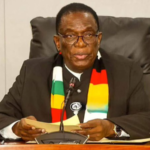
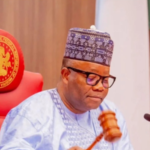





































































































































































































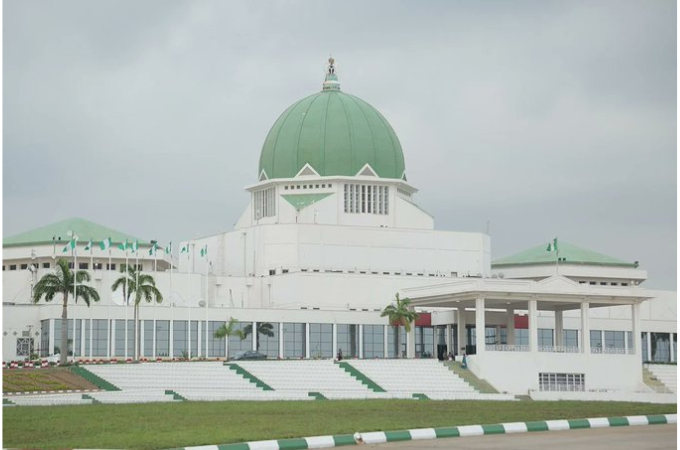
A joint conference committee formed by the National Assembly is scheduled to convene on Monday, February 16, 2026, to reconcile differences between the Senate and House of Representatives versions of the Electoral Act 2022 (Repeal and Reenactment) Amendment Bill 2026.
The 12-member panel, announced by the Senate on February 10, 2026, has been given a tight one-week window to produce a unified text for transmission to President Bola Ahmed Tinubu for assent.
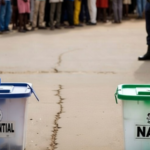
The urgency stems from public outcry and ongoing protests over the Senate’s handling of electronic result transmission provisions. The core dispute revolves around whether real-time electronic upload of polling unit results to INEC’s IReV portal should be mandatory or remain discretionary.
Nigeria’s Electoral Act History
Nigeria’s electoral legislation has undergone several major revisions to address transparency and credibility concerns:
-
1999 Constitution (as amended): Establishes INEC’s authority to conduct elections and sets the legal foundation for the electoral process.
-
Electoral Act 2006: Relied almost entirely on manual collation and transmission; widely criticised for widespread result manipulation.
-
Electoral Act 2010: Introduced incremental improvements, including greater INEC independence, but still lacked electronic transmission requirements.
-
Electoral Act 2022: Signed on February 25, 2022, it introduced the Bimodal Voter Accreditation System (BVAS). However, Section 60(2) used discretionary language for electronic transmission, which led to significant delays and controversies during the 2023 general elections.
Current Amendments and Harmonization Process
The Electoral Act Amendment Bill 2026 passed its third reading in the Senate on February 4, 2026. While the Senate initially rejected mandatory electronic transmission, it rescinded that decision on February 11 to approve electronic transmission but with a “fallback mechanism”—the physical Form EC8A remains the primary legal source if a network glitch occurs. The House version, however, mandates “real-time” transmission without such broad discretionary caveats.
The 12-member panel, chaired by Senator Simon Bako Lalong, includes:
-
Senators Mohammed Tahir Monguno, Adamu Aliero, Orji Uzor Kalu, Abba Moro, Asuquo Ekpenyong, Aminu Iya Abbas, Tokunbo Abiru, Niyi Adegbonmire (SAN), Jibrin Isah, Ipalibo Banigo, and Onyekachi Nwebonyi.
Public Pressure and Political Context
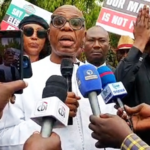
The controversy has triggered the “Occupy National Assembly” demonstrations, which began on February 9, 2026. High-profile figures, including Peter Obi and Chibuike Amaechi, have joined civil society groups, the Nigerian Guild of Editors (NGE), and the Nigeria Labour Congress (NLC) in demanding mandatory real-time transmission.
The NGE has warned that leaving transmission as a discretionary “choice” for INEC undermines voter trust. Conversely, the Senate maintains that the current “fallback” wording is necessary to prevent legal vacuums in areas with poor telecommunications infrastructure. The final harmonised bill will establish the framework for the 2027 general elections.