










![Hon. Festus Keyamo SAN arrives MMIA past 11:50 p.m. Feb 23 to lead oversight of Terminal 1 fire. Joined FAAN MD & team actively managing situation. Directed morning inspection Tuesday to guide restoration & confirm safety standards. Reaffirmed focus on passenger safety. Story: [link] #KeyamoMMIA #FireIncident #FAAN](https://fullcliphq.com/wp-content/uploads/2026/02/mym-150x150.jpg "MMIA Fire: Keyamo Inspects Lagos Airport After Terminal 1 Blaze Disrupts Flights")
















































































































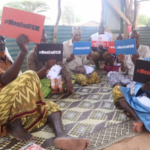









































































































































































































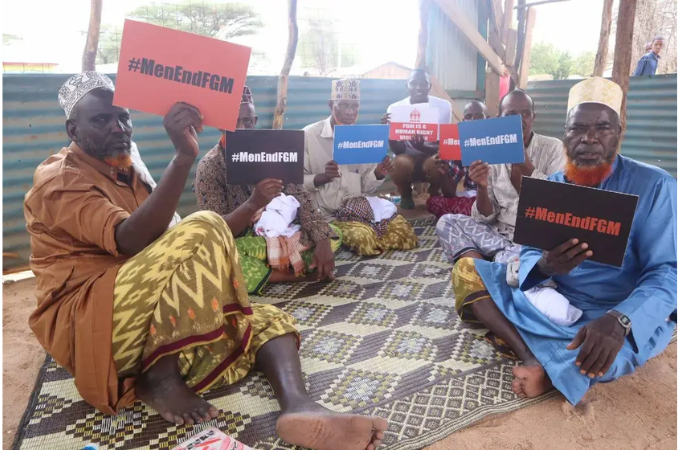
The World Health Organization (WHO) and its global partners today observe the International Day of Zero Tolerance for Female Genital Mutilation (FGM), while warning that an estimated 4.5 million girls – many under the age of five – remain at imminent risk of the practice in 2026 alone.
Without a radical and immediate acceleration of global efforts, an additional 22.7 million girls could be subjected to FGM by 2030. Currently, more than 230 million girls and women alive today have undergone FGM, a grave human rights violation that offers zero health benefits while inflicting profound, lifelong physical, psychological, and social damage.
FGM is defined as the partial or total removal of external female genitalia or other injuries to the female genital organs for non-medical reasons. It is recognized internationally as a violent form of gender-based discrimination. While the practice is concentrated in 30 countries across Africa, the Middle East, and Asia, its impact is a global concern that necessitates a unified, multisectoral response to protect the bodily autonomy of the next generation.
For 2026, the theme for the International Day of Zero Tolerance for Female Genital Mutilation (FGM) is “Towards 2030: No End to FGM Without Sustained Commitment and Investment”
Severe and Lifelong Psychological Impacts
Beyond the immediate and life-threatening physical risks – which include severe pain, hemorrhage, shock, infections, and even death – FGM leaves a legacy of enduring psychological harm. Survivors frequently grapple with complex mental health challenges that affect their ability to lead fulfilling lives.
Survivors frequently experience:
-
Post-Traumatic Stress Disorder (PTSD): Persistent psychological stress following the procedure.
-
Anxiety and Depression: Long-term emotional instability and mood disorders.
-
Low Self-Esteem and Shame: Deep-seated feelings of inadequacy driven by social and physical scarring.
-
Chronic Fear and Flashbacks: Recurrent nightmares and intrusive memories related to the trauma.
-
Sexual Dysfunction: Significant relationship difficulties and a loss of physical intimacy.
-
Betrayal of Trust: Profound feelings of abandonment by family or community members who facilitated the practice.
These mental health consequences often persist well into adulthood, creating barriers to education, stable employment, and general well-being. The WHO emphasizes that this trauma is frequently compounded by communal stigma or the systemic denial of the survivor’s lived experience.
Updated 2025 WHO/HRP Guidelines: Comprehensive Prevention and Care
In late 2025, the WHO and the HRP (the Special Programme of Research in Human Reproduction) released updated, evidence-based guidelines for the prevention and clinical management of FGM. These guidelines integrate the latest clinical research to support global health systems across four priority pillars:
-
Prevention and Ethics: Implementing strategies to combat medicalization – the dangerous trend of FGM being performed by health professionals – and reinforcing ethical codes of conduct among medical staff.
-
Management of Complications: Standardizing the treatment of both immediate and long-term physical consequences, such as chronic pain, urinary issues, and obstetric complications, while addressing psychological health across the life course.
-
Survivor-Centered Care: Ensuring that health services are respectful, person-centered, and high-quality, providing integrated mental health support and legal referrals.
-
Health System Strengthening: Aligning national responses with international human rights standards to ensure equitable access to care and the integration of FGM prevention into broader child protection frameworks.
The guidelines explicitly call for a multisectoral approach, engaging religious and community leaders, educators, and the media to dismantle the social norms that sustain the practice.
Economic Case for Urgent Investment
The WHO and its partners highlight that prevention is not only a moral imperative but also a sound economic investment. Each dollar directed toward ending FGM is estimated to yield a tenfold return. Preventing 20 million cases could cost approximately USD 2.8 billion, but it is projected to generate USD 28 billion in economic and social benefits through improved health outcomes, higher education levels, and increased labor productivity.
Joint UN Commitment and the 2030 Target
With only four years remaining to meet the Sustainable Development Goal (SDG) target of total elimination by 2030, the WHO, HRP, UNICEF, and UNFPA have reaffirmed their collective commitment to grassroots champions and survivors. Today serves as a celebration of progress made, yet remains a stark reminder that current trends are insufficient to meet the deadline.
Sustained financing, local community ownership, and coordinated international action are essential to protect the millions of girls at risk and ensure that hard-won gains are not reversed. Ending FGM requires addressing the deep-rooted gender inequalities and harmful norms that continue to persist in the shadows of global society.