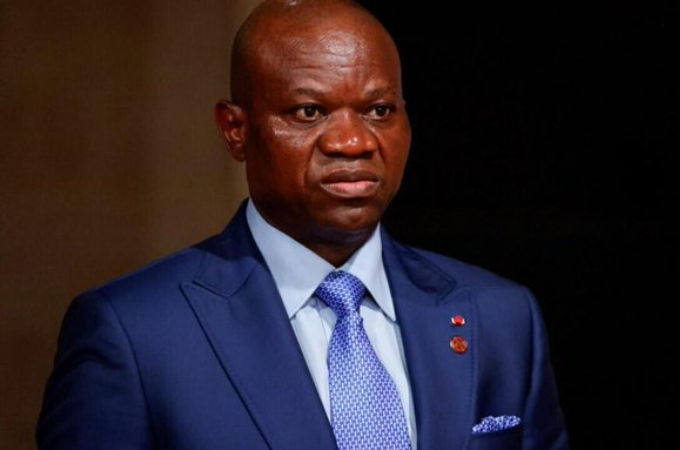












![Hon. Festus Keyamo SAN arrives MMIA past 11:50 p.m. Feb 23 to lead oversight of Terminal 1 fire. Joined FAAN MD & team actively managing situation. Directed morning inspection Tuesday to guide restoration & confirm safety standards. Reaffirmed focus on passenger safety. Story: [link] #KeyamoMMIA #FireIncident #FAAN](https://fullcliphq.com/wp-content/uploads/2026/02/mym-150x150.jpg "MMIA Fire: Keyamo Inspects Lagos Airport After Terminal 1 Blaze Disrupts Flights")





























































































































































































































































































The European Commission will today propose legislation that would formally restrict Chinese vendors such as Huawei and ZTE from supplying equipment for critical telecom networks across the EU, moving from voluntary national measures to binding EU-wide rules amid growing concerns over supply-chain security.
The upcoming Cybersecurity Act aims to exclude high-risk technology providers from sensitive infrastructure, beginning with 5G networks and potentially extending to sectors including energy, transport, and security. Two sources familiar with the process confirmed the bill will explicitly require member states to block high-risk vendors—particularly those based in countries deemed unfriendly to EU interests, with China as the primary focus.
The EU’s 2020 5G Security Toolbox encouraged but did not mandate governments to exclude Huawei and ZTE, citing higher risks compared to other suppliers. Many capitals delayed or resisted full bans, fearing Chinese trade retaliation. In 2023, then-Commissioner Thierry Breton endorsed national restrictions. The new proposal builds on that by defining risk assessment criteria and enforcement mechanisms, though whether an EU-level or national authority will maintain the list of barred vendors remains under negotiation.
While telecoms face immediate impact, the bill’s broader scope could affect suppliers in solar inverters, connected cars, wind energy equipment, airport scanners (e.g., Nuctech), surveillance cameras (e.g., Hikvision), and other connected technologies. The EU has already restricted some Chinese firms in specific contexts, including banning officials from using TikTok on work devices.
The move aligns with efforts to secure digital supply chains but risks provoking Beijing at a sensitive time, as the EU navigates transatlantic trade tensions over Greenland tariffs and seeks to deter Chinese investment in critical areas. The China Chamber of Commerce to the EU has warned that origin-based restrictions could discourage investment.
The proposal will now enter negotiations in the European Parliament and Council, where resistance is expected from member states wary of Brussels encroaching on national security competences.