









![Hon. Festus Keyamo SAN arrives MMIA past 11:50 p.m. Feb 23 to lead oversight of Terminal 1 fire. Joined FAAN MD & team actively managing situation. Directed morning inspection Tuesday to guide restoration & confirm safety standards. Reaffirmed focus on passenger safety. Story: [link] #KeyamoMMIA #FireIncident #FAAN](https://fullcliphq.com/wp-content/uploads/2026/02/mym-150x150.jpg "MMIA Fire: Keyamo Inspects Lagos Airport After Terminal 1 Blaze Disrupts Flights")




















































































































































































































Ghana has sustained its positive trajectory in reducing multidimensional poverty, with the national rate dropping to 21.9% in the third quarter of 2025, according to the latest Quarterly Multidimensional Poverty Index (MPI) report released by the Ghana Statistical Service (GSS) on January 21, 2026.
The report, presented by Government Statistician Dr. Alhassan Iddrisu, covers data from Q1 2024 through Q3 2025 and shows consistent quarterly declines: Q4 2024 at 24.9%, Q1 2025 at 23.9%, Q2 2025 at 23.1%, and Q3 2025 at 21.9%.
This sustained progress means approximately 7.2 million Ghanaians were multidimensionally poor in Q3 2025, down from about 8.1 million in Q3 2024. Over the one-year period, roughly 950,000 people escaped multidimensional poverty, with more than 360,000 individuals moving out of poverty between Q2 and Q3 2025 alone.
Understanding Multidimensional Poverty
Unlike traditional income-based measures, the MPI assesses deprivation across multiple non-monetary dimensions: health, education, employment, and living standards. The GSS uses 13 indicators aligned with international standards developed by the Oxford Poverty and Human Development Initiative (OPHI) and the United Nations Development Programme (UNDP). A person is considered multidimensionally poor if deprived in at least one-third of the weighted indicators.
Persistent drivers of deprivation in Ghana include limited health insurance coverage, poor nutrition and child malnutrition, overcrowding in households, and inadequate sanitation and clean water access. Nutrition deprivation improved slightly, falling to 10.6% in Q3 2025 from 13.3% a year earlier. Education and other indicators also showed incremental progress, reflecting gains from targeted social interventions, school feeding programs, and expanded access to basic services.
Significant Regional and Rural-Urban Disparities
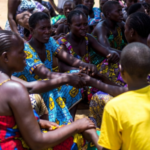
The decline has not been uniform. Rural poverty incidence remains much higher at around 32% in Q3 2025, compared to approximately 14% in urban areas. North East and Savannah Regions recorded the highest rates—both exceeding 50%, more than double the national average—due to limited infrastructure, low education levels, and weak access to health and employment opportunities. Greater Accra and Western Regions posted the lowest rates, both below 20%, benefiting from stronger economic activity and urban services.
In absolute numbers, highly populated regions like Ashanti and Northern each have over one million multidimensionally poor residents. Overlapping vulnerabilities remain a concern: about 227,500 people aged 15 and older (1.5%) faced the “triple burden” of multidimensional poverty, unemployment, and food insecurity in Q3 2025. While poverty and food insecurity overlap decreased to around 3.6 million, the combination of poverty and unemployment rose to roughly 483,000—highlighting persistent labor market challenges, especially in rural and northern areas.
Education strongly correlates with poverty risk: households headed by individuals with no formal education face a 38.5% poverty incidence, compared to just 5.7% for those with tertiary education. Marital status also influences outcomes, with cohabiting individuals showing higher vulnerability than married or divorced persons.
Policy Context and Government Response
The quarterly MPI tracking is derived from the Annual Household Income and Expenditure Survey (AHIES), a flagship GSS initiative providing timely, disaggregated data to guide policy. The consistent decline aligns with government efforts to expand social protection programs (LEAP cash transfers, school feeding), improve health insurance coverage (NHIS reforms), invest in rural infrastructure, and promote job creation through initiatives like YouStart and Ghana CARES.
Dr. Iddrisu described the data as “signals for action” and urged targeted interventions in health insurance expansion, nutrition programs for children and pregnant women, sanitation and water access, and quality employment generation. He thanked participating households, field officers, and funding partners—including the Government of Ghana and the World Bank—for enabling evidence-based tracking.
Broader Implications and Challenges Ahead
Ghana’s progress reflects gains from sustained economic recovery post-COVID, improved agricultural output, and expanded social interventions. However, experts stress that closing rural-urban and regional gaps remains critical to ensure inclusive and sustainable poverty reduction. Northern regions continue to lag due to historical underinvestment, climate vulnerability, and limited private-sector presence.
The MPI’s quarterly updates provide a dynamic picture, allowing policymakers to respond faster to emerging trends. As Ghana works toward SDG 1 (ending poverty in all its forms by 2030), maintaining momentum will require continued investment in human capital, rural infrastructure, and equitable growth. The report underscores the value of multidimensional measures in capturing deprivations that income metrics often miss—offering a clearer roadmap for targeted, evidence-based poverty alleviation.