









![Hon. Festus Keyamo SAN arrives MMIA past 11:50 p.m. Feb 23 to lead oversight of Terminal 1 fire. Joined FAAN MD & team actively managing situation. Directed morning inspection Tuesday to guide restoration & confirm safety standards. Reaffirmed focus on passenger safety. Story: [link] #KeyamoMMIA #FireIncident #FAAN](https://fullcliphq.com/wp-content/uploads/2026/02/mym-150x150.jpg "MMIA Fire: Keyamo Inspects Lagos Airport After Terminal 1 Blaze Disrupts Flights")


































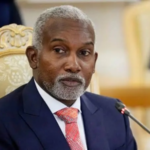





























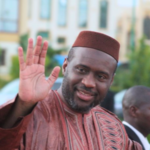










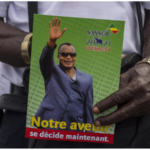








































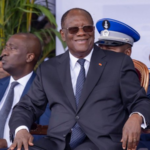







































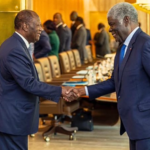























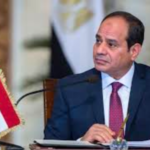






































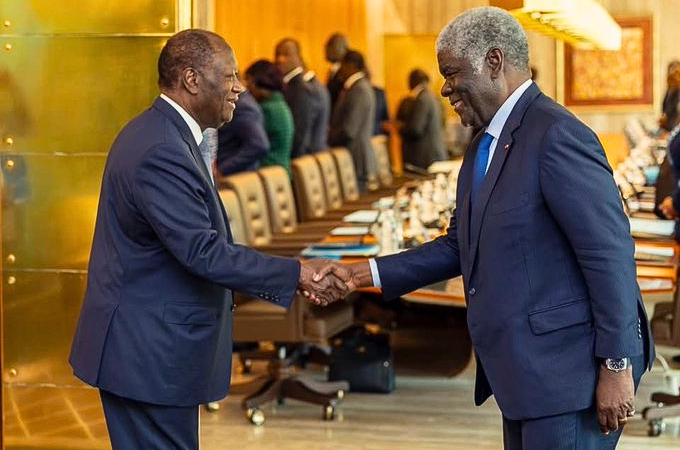
President Alassane Ouattara has appointed his younger brother, Tene Birahima Ouattara, to the newly created position of vice prime minister while retaining him as defense minister in a limited cabinet reshuffle announced on Friday, January 23, 2026.
The move follows Ouattara’s fourth-term victory in the October 2025 presidential election and the ruling RHDP party’s strong majority in the December legislative polls. Prime Minister Robert Beugré Mambé was reappointed and unveiled the new “Mambé II” government lineup, with most senior ministers retained—signaling continuity rather than a broad overhaul.
Who Is Tene Birahima Ouattara?
Tene Birahima Ouattara, often called “P’tit Frère” (little brother) in Ivorian political circles, has been a trusted figure in Ouattara’s inner circle since the president took office in 2011. He has served as defense minister since 2021 and previously held roles as secretary-general of the presidency and director of cabinet. He was also a key security adviser during the 2010–2011 post-election crisis that brought Ouattara to power and long-time head of presidential security and intelligence coordination.
His elevation to vice prime minister creates a formal No. 2 position in the government hierarchy, second only to the prime minister. The exact powers of the new role—whether ceremonial, executive, or focused on security coordination—have not been fully detailed. Retaining the defense portfolio underscores its strategic importance amid regional instability, including jihadist threats in the Sahel and border areas with Burkina Faso and Mali.
Political and Economic Context
Ouattara, now 84, has led Côte d’Ivoire since 2011, overseeing nearly 15 years of sustained economic growth. While Ouattara has spoken about preparing a new generation of leaders, family and close allies continue to hold significant influence. Tene Birahima’s appointment has drawn attention as an example of dynastic politics, though the government frames it as continuity in security leadership during a stable period.
Reactions and Commentary
Supporters view the move as logical given Tene Birahima’s long service in security roles and the need for trusted figures amid regional threats. Critics and social media users have raised concerns over nepotism and concentration of power, with opposition voices questioning whether the vice prime minister post expands executive influence for family members. International coverage has largely focused on continuity, economic backdrop, and regional security rather than controversy.
No official explanation has been given for creating the vice prime minister role specifically for Tene Birahima Ouattara, but the timing aligns with Ouattara’s strengthened mandate. The reshuffle is limited in scope, suggesting stability in economic and foreign policy direction while reinforcing security control. Côte d’Ivoire continues to position itself as a regional economic powerhouse. How the vice prime minister role functions in practice—whether with expanded executive authority or focused on security coordination—will become clearer in the coming months.