








![Hon. Festus Keyamo SAN arrives MMIA past 11:50 p.m. Feb 23 to lead oversight of Terminal 1 fire. Joined FAAN MD & team actively managing situation. Directed morning inspection Tuesday to guide restoration & confirm safety standards. Reaffirmed focus on passenger safety. Story: [link] #KeyamoMMIA #FireIncident #FAAN](https://fullcliphq.com/wp-content/uploads/2026/02/mym-150x150.jpg "MMIA Fire: Keyamo Inspects Lagos Airport After Terminal 1 Blaze Disrupts Flights")



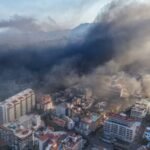
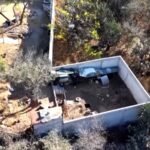
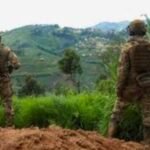


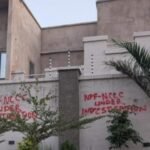




































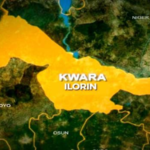

















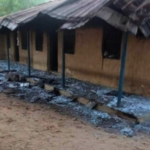








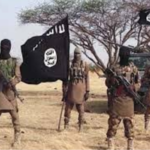


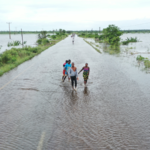





















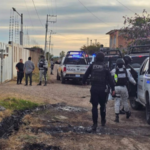













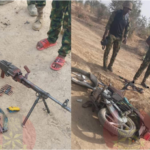











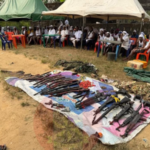




















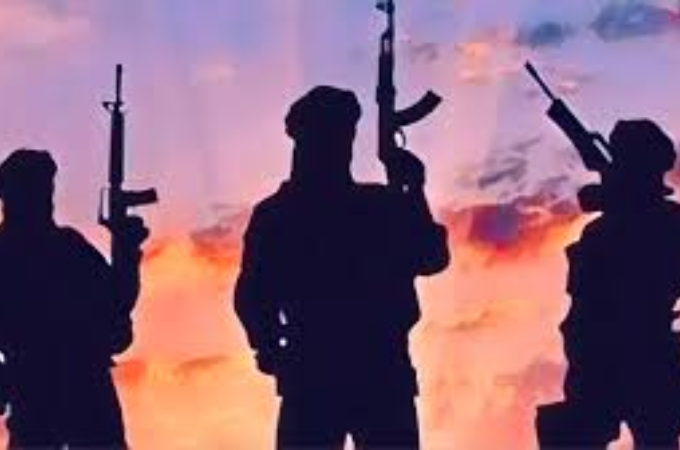
A devastating extremist attack on the villages of Woro and Nuku in Kaiama Local Government Area on the evening of February 3, 2026, which claimed over 160 lives and left widespread destruction has drawn intense scrutiny to the timeline of security alerts and the delayed response from authorities.
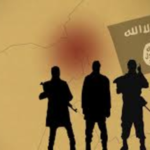
The assault, carried out by suspected members of the Islamic State-linked Lakurawa group, is the most deadly on Nigerian soil this year.
According to a detailed eyewitness account given to Arise News on February 5 by Umar Bio Saliu, Head of Woro village, community members raised the alarm after 5:00 p.m. on February 3 as the attack began, but security forces did not arrive until after 3:00 a.m. the following day — a delay of more than 10 hours.
Chronology of Events
Umar Bio Saliu recounted the full sequence of failures that led to the tragedy:
-
One month prior: Militants delivered a letter to a nearby community stating they would return to “preach” their ideology. Saliu immediately forwarded the letter via WhatsApp to the Department of State Services (DSS) office in Kaiama that same night.
-
Next day: He personally delivered the letter to the Emirate Council, where it was photocopied and forwarded to the appropriate quarters.
-
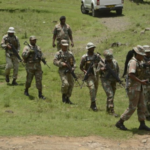
Military presence history: Until approximately three months earlier, around 15 soldiers were stationed in the area. After militants attacked the military post, troops were evacuated, leaving no security presence in the axis.
-
February 3, after 5:00 p.m.: As the violence erupted, residents alerted security agencies. No ground response came until after 3:00 a.m. on February 4.
-
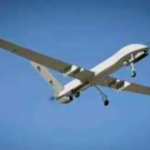
During the attack: After several hours of violence, a surveillance plane was observed flying overhead, possibly conducting observation, but no forces arrived in time to intervene.
-
Attackers’ tactics: The assailants planted improvised explosive devices (IEDs) on escape routes to hinder pursuit. A truck attempting to pass was detonated, further delaying any response.
-
Post-attack recovery: By February fourth, 75 bodies were buried, but Umar Bio Saliu reported additional corpses still lying in the bush as of February 5 morning. He noted the victims were approximately 95% Muslim (targeted for refusing the extremists’ violent doctrine) and a smaller number Christian.
Official Response
President Bola Ahmed Tinubu condemned the attack as “cowardly and beastly,” praising victims who resisted the “strange belief that promotes violence rather than peace and dialogue.” He ordered an army battalion to lead Operation Savannah Shield to confront the terrorists and protect communities in the region. Kwara State Governor Abdulrahman Abdulrazaq visited Kaiama on February 4 to console families and confirmed the deployment.
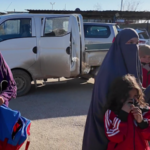
The Nigerian Red Cross is providing emergency aid, but survivors face urgent needs for shelter, medical care, food, and psychological support amid mass displacement.
Broader Security Context
The massacre highlights the expanding reach of jihadist groups like Lakurawa from the Northwest into the North-Central zone. Kwara has seen rising violence since 2021, with experts citing porous Sahel borders, socioeconomic drivers, and radicalization as key enablers. The attack follows a pattern of 2026 incidents and underscores persistent gaps in early warning systems, rapid response, and sustained security presence in vulnerable rural areas.
![Hon. Festus Keyamo SAN arrives MMIA past 11:50 p.m. Feb 23 to lead oversight of Terminal 1 fire. Joined FAAN MD & team actively managing situation. Directed morning inspection Tuesday to guide restoration & confirm safety standards. Reaffirmed focus on passenger safety. Story: [link] #KeyamoMMIA #FireIncident #FAAN](https://fullcliphq.com/wp-content/uploads/2026/02/mym.jpg)