






![Hon. Festus Keyamo SAN arrives MMIA past 11:50 p.m. Feb 23 to lead oversight of Terminal 1 fire. Joined FAAN MD & team actively managing situation. Directed morning inspection Tuesday to guide restoration & confirm safety standards. Reaffirmed focus on passenger safety. Story: [link] #KeyamoMMIA #FireIncident #FAAN](https://fullcliphq.com/wp-content/uploads/2026/02/mym-150x150.jpg "MMIA Fire: Keyamo Inspects Lagos Airport After Terminal 1 Blaze Disrupts Flights")

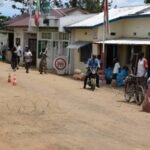
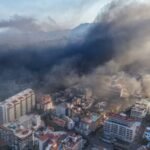
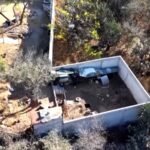
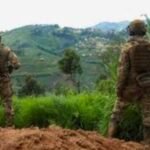




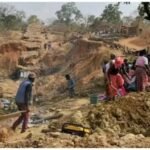




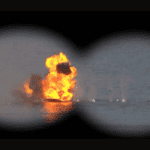

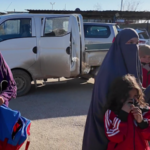
















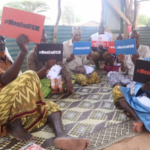





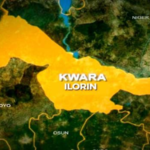



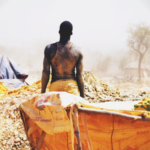

















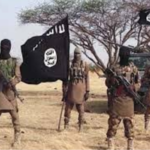










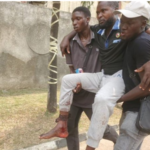








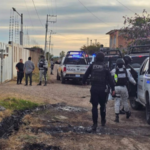









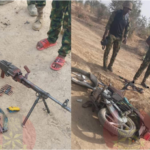










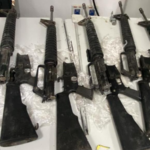









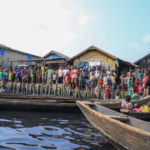


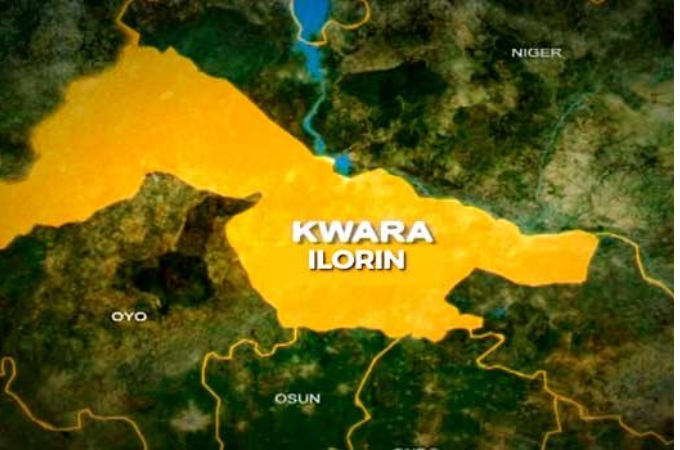
In one of the deadliest single incidents in Nigeria this year, armed extremists launched coordinated attacks on the villages of Woro and Nuku in Kaiama Local Government Area of Kwara State on the evening of February 3, 2026, killing at least 162 people and leaving widespread destruction.
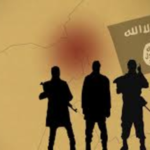
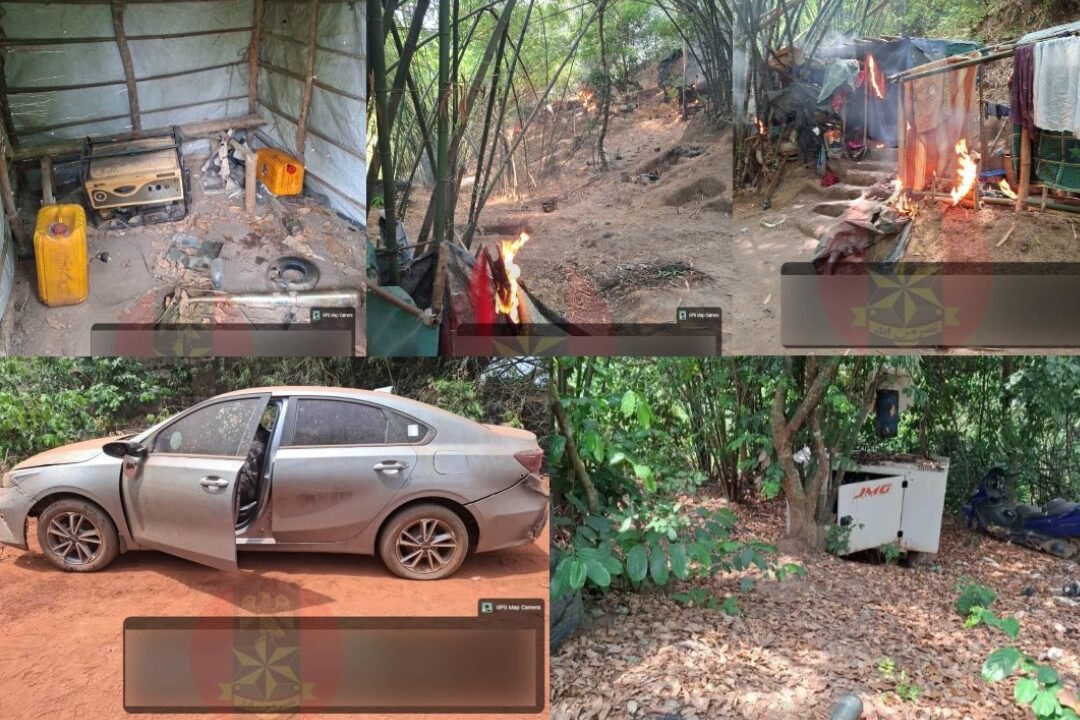
The assault, which lasted several hours, saw gunmen — suspected to be affiliated with the Islamic State-linked Lakurawa group — storm the communities, execute residents, set homes and shops ablaze, and force survivors to flee into surrounding bushland.
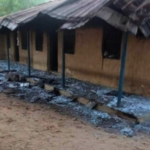
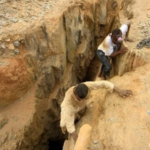
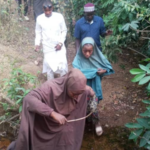
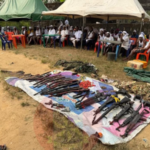
Eyewitness accounts and local officials described the attackers, numbering over 200 in some reports, rounding up villagers, tying their hands, and carrying out executions in cold blood. Homes, shops, and even the palace of the Emir of Woro were torched, leaving smoldering ruins. Graphic images and videos circulating on social media showed bodies scattered across the area amid burning structures.
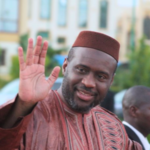
Initial casualty estimates ranged from 10–35, but as rescue operations progressed, the Nigerian Red Cross, local lawmakers, and security sources updated the toll to 162 confirmed deaths, with some reports reaching 167 or 170 as more bodies were recovered from debris. Mohammed Omar Bio, the federal lawmaker representing Kaiama/Baruten, confirmed the higher figure, noting many victims died from gunshot wounds and several remain missing, including the Emir of Woro, Alhaji Saliu Bio Umar. Among the deceased were the Emir’s two wives, several children, the local Chief Imam, a school principal, a headmistress, and students who had returned from classes.
Survivors recounted prior warnings: the assailants, identified by some as part of a “Mahmuda” or “Memuda” militant faction possibly linked to Boko Haram or Lakurawa, had visited earlier to “preach” and demand allegiance to Sharia law or rejection of Nigerian state authority. When locals resisted, the group returned with lethal force, operating for up to 17 hours without immediate security intervention despite alerts to authorities. Residents criticized the lack of response, noting that police and military failed to deploy despite advance notice.
Background: Escalating Insecurity in Kwara and North-Central Nigeria
The massacre highlights the expanding reach of jihadist and bandit groups from Nigeria’s Northeast and Northwest into the North-Central zone. Kwara, traditionally a bridge between the North and Southwest, has seen rising violence since at least 2021, with military warnings about spillover from the Northwest largely unheeded. Lakurawa, an IS-affiliated outfit active in neighboring Niger State, has increasingly targeted rural communities through forest corridors. The attack follows a pattern of 2026 incidents, including ambushes on soldiers in Zamfara and other documented violence.
Experts point to porous Sahel borders, socioeconomic drivers (poverty, ungoverned spaces), and radicalization as key enablers. Kwara’s recent history includes a November 2025 attack in Eruku where terrorists killed eight and abducted a pastor, underscoring threats to both Muslim and Christian communities.
Official Response and Public Outrage
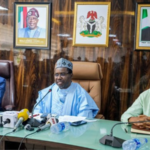
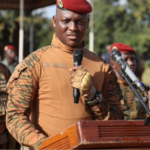
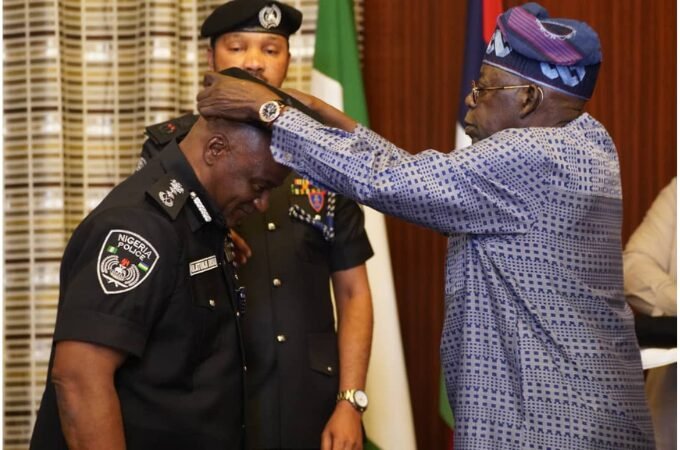
Kwara State Governor Abdulrahman Abdulrazaq visited Kaiama on February 4, accompanied by service chiefs and cabinet members, to console the Emir of Kaiama, Alhaji Omar Mu’azu (Bagidi Kiyaru IV), and affected families. In a video statement posted on X, the governor condemned the “cowardly attack” and specified that at least 75 local Muslims were killed for refusing the extremists’ doctrine. He announced President Bola Ahmed Tinubu’s approval for immediate deployment of an army battalion under “Operation Savannah Shield” to flush out militants and prevent further incursions.
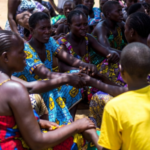
The governor’s emphasis on the victims’ Muslim identity drew criticism online, with users accusing him of potentially stoking division in a multi-religious state. Replies included calls for resignation, questions about preventive measures, and fears of urban spread to Ilorin. Humanitarian groups like the Red Cross are providing aid, but survivors face urgent needs for shelter, medical care, and food amid displacement.
Opposition figures, including from the Peoples Democratic Party (PDP), labeled the government’s response “cosmetic” without concrete relief or justice. Analysts urge enhanced intelligence sharing, community policing, and international cooperation to address root causes like radicalization and arms trafficking from the Sahel.
This incident raises alarms about terrorism spreading into Nigeria’s economic heartland, potentially destabilizing regions previously seen as relatively secure. As investigations continue, the nation mourns and demands systemic reforms to protect citizens from such horrors. The true measure of leadership will be whether Operation Savannah Shield delivers lasting security or becomes another unfulfilled promise in Nigeria’s long struggle against extremism.
![Hon. Festus Keyamo SAN arrives MMIA past 11:50 p.m. Feb 23 to lead oversight of Terminal 1 fire. Joined FAAN MD & team actively managing situation. Directed morning inspection Tuesday to guide restoration & confirm safety standards. Reaffirmed focus on passenger safety. Story: [link] #KeyamoMMIA #FireIncident #FAAN](https://fullcliphq.com/wp-content/uploads/2026/02/mym.jpg)