









![Hon. Festus Keyamo SAN arrives MMIA past 11:50 p.m. Feb 23 to lead oversight of Terminal 1 fire. Joined FAAN MD & team actively managing situation. Directed morning inspection Tuesday to guide restoration & confirm safety standards. Reaffirmed focus on passenger safety. Story: [link] #KeyamoMMIA #FireIncident #FAAN](https://fullcliphq.com/wp-content/uploads/2026/02/mym-150x150.jpg "MMIA Fire: Keyamo Inspects Lagos Airport After Terminal 1 Blaze Disrupts Flights")


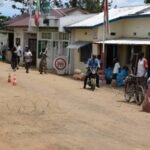










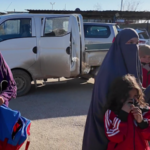











































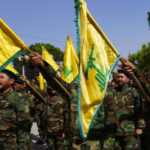






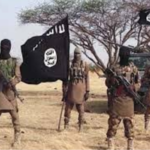






















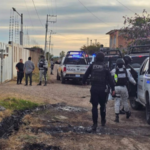





















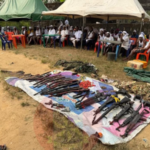











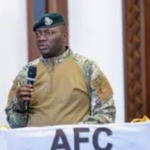






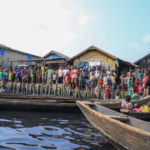




The Alliance Fleuve Congo / Mouvement du 23 Mars (AFC/M23) has accused forces aligned with the Kinshasa government of carrying out a deliberate terrorist attack on the Sange market in Uvira Territory, South Kivu Province, on the evening of January 29, 2026, resulting in at least five civilian deaths and multiple injuries.
In a press release issued late January 29 and shared widely on X by spokesperson Lawrence Kanyuka, AFC/M23 claimed that around 6:30 p.m. local time, a grenade was thrown into the crowded market, killing five people—including several women—and wounding numerous others.
The group described the act as “an odious crime and a flagrant violation of international humanitarian law,” attributing responsibility to coalition forces of the Kinshasa regime, specifically elements of the Armed Forces of the Democratic Republic of the Congo (FARDC) and allied Wazalendo militias.
The same statement alleged a second attack at approximately 7:45 p.m., claiming a bomb was launched at a Société Nationale des Chemins de fer du Congo (SNCC) speedboat stationed at a local port. No independent confirmation or casualty details for this second incident have been reported in other sources.
AFC/M23 further claimed that two Banyamulenge women were abducted by Wazalendo militiamen in the same timeframe, framing these events as part of a systematic strategy of terror, abductions, and unpunished crimes orchestrated by the Kinshasa regime and its proxies.
The group asserted that authorities imposed a deliberate internet and telecommunications blackout in Uvira and surrounding areas to prevent independent documentation and reporting of the incidents.
Conflicting Narratives and Regional Instability
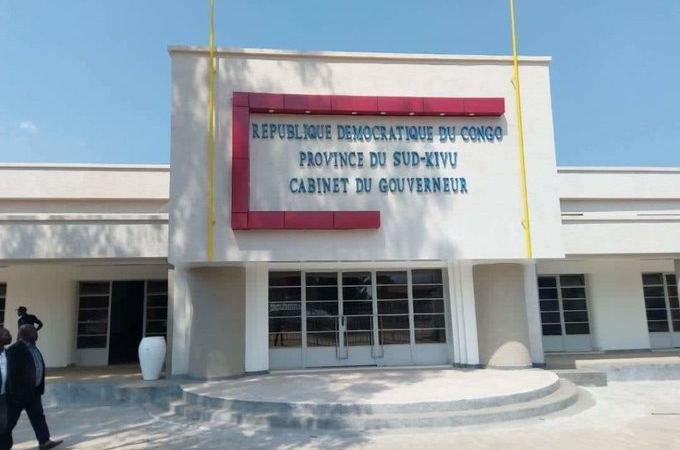
The Provincial Government of South Kivu issued a counter-statement condemning the Sange market explosion as a massacre orchestrated by AFC/M23 rebels, with alleged involvement of Rwandan Defence Forces (RDF).
Provincial authorities reported five deaths—mostly women—and 11 injuries, describing the attack as a deliberate act of terror targeting defenceless civilians around 6:00 p.m. to sow fear and shift blame onto government forces.
Independent Congolese media outlets, including Radio Okapi, Actualite.cd, and Tremplin News, reported at least three deaths and 10–12 injuries from the market explosion, with some local accounts mentioning higher figures (seven to nine deaths and dozens injured), though these remain unverified.
No group has claimed responsibility, and no neutral international monitoring reports specific to the January 29 incident were publicly available as of January 30, 2026.
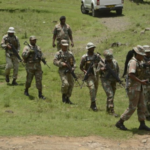
The area around Sange, in the Ruzizi Plain of Uvira Territory, remains a zone of active contestation between FARDC/Wazalendo forces and AFC/M23 positions. The market attack occurred against the backdrop of recent M23 withdrawal from Uvira (completed January 17, 2026) and subsequent re-entry by government-aligned forces.
This transition has been marred by allegations of reprisals and abuses on both sides. Human Rights Watch (January 20, 2026) previously documented “grave risk” to civilians in Uvira from abusive Wazalendo militias following the M23 exit, including threats, harassment, and property seizures targeting perceived M23 sympathisers, particularly within the Banyamulenge community.
The Ruzizi Plain Conflict
The Ruzizi Plain is a highly strategic corridor linking South Kivu to Burundi and Rwanda. Historically, it has been a flashpoint for inter-ethnic violence and militia activity. The recent displacement of over 100,000 civilians in this specific region underscores the humanitarian toll of the contested “buffer zones” between the FARDC and the AFC/M23. Attacks on public markets like Sange are particularly devastating as these locations serve as the primary economic and social hubs for these isolated rural communities.
Ceasefire & Diplomatic Context
The incidents highlight the fragility of the ceasefire under the U.S.-brokered Doha framework. M23 has accused FARDC of drone strikes (including on Uvira’s Kalundu port on January 14) and ground attacks on its positions in Lubero, Masisi, and the Hauts Plateaux. FARDC has denied these claims and accused M23 of staging provocations.
In response to the market explosion and alleged abductions, AFC/M23 reiterated its refusal to withdraw from additional “liberated territories” under its control, including Goma and Bukavu.
The group argues that areas under its administration exhibit restored stability—functioning public services, schools, electricity, water supply, lower food prices, and improved economic activity—compared to what it portrays as chaos and impunity in government-held zones.
The re-opening of lake borders and ports in Uvira after the M23 withdrawal has been welcomed by local traders, yet persistent insecurity—including reports of looting and displacement—continues to temper optimism.
Eastern DRC remains one of Africa’s most protracted conflict zones. The latest verbal and physical clashes between AFC/M23 and FARDC underscore the profound challenges in building trust, ensuring civilian protection, and advancing meaningful negotiations amid competing military, political, and resource agendas.
The targeting of civilian spaces such as markets raises serious concerns under international humanitarian law, regardless of attribution.

![Hon. Festus Keyamo SAN arrives MMIA past 11:50 p.m. Feb 23 to lead oversight of Terminal 1 fire. Joined FAAN MD & team actively managing situation. Directed morning inspection Tuesday to guide restoration & confirm safety standards. Reaffirmed focus on passenger safety. Story: [link] #KeyamoMMIA #FireIncident #FAAN](https://fullcliphq.com/wp-content/uploads/2026/02/mym.jpg)