








![Hon. Festus Keyamo SAN arrives MMIA past 11:50 p.m. Feb 23 to lead oversight of Terminal 1 fire. Joined FAAN MD & team actively managing situation. Directed morning inspection Tuesday to guide restoration & confirm safety standards. Reaffirmed focus on passenger safety. Story: [link] #KeyamoMMIA #FireIncident #FAAN](https://fullcliphq.com/wp-content/uploads/2026/02/mym-150x150.jpg "MMIA Fire: Keyamo Inspects Lagos Airport After Terminal 1 Blaze Disrupts Flights")


































































































































































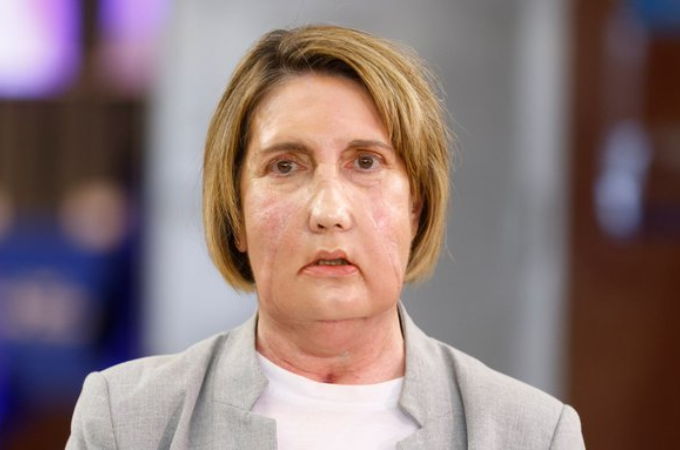
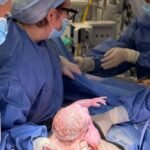
In a historic achievement for global medicine, surgeons at Vall d’Hebron University Hospital have successfully performed the world’s first face transplant using tissue from a donor who underwent assisted dying (euthanasia).
The landmark procedure, announced on February 2, 2026, represents a profound convergence of surgical innovation and evolving end-of-life ethics.
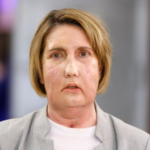
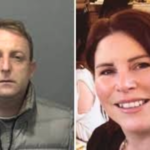
The recipient, a woman identified as Carme, had been living with severe facial disfigurement following a devastating incident in July 2024. While on holiday in the Canary Islands, an insect bite triggered a catastrophic bacterial infection (Streptococcus pyogenes), leading to septicemia and massive necrosis that “consumed” half of her face. The damage left her unable to eat, speak properly, or breathe without difficulty.
The “September Surgery”: 100 Professionals and 24 Hours
The complex operation took place in September 2025 and lasted approximately 24 hours. It involved a multidisciplinary team of over 100 specialists, including plastic surgeons, neurovascular experts, psychiatrists, and 3D imaging engineers.
Unlike typical face transplants, which often rely on emergency donors from trauma cases, the use of a donor who chose assisted dying allowed for unprecedented medical preparation:
-
3D Precision: For the first time in history, surgeons used 3D planning and custom-made cutting guides for both the donor and the recipient simultaneously.
-
Tissue Matching: The donor – a middle-aged woman with a serious illness—had explicitly pre-authorized the donation of her facial tissue, bone structure, and nerves alongside other organs.
-
Reconstruction: The team transplanted skin, adipose tissue, muscles, nerves, and bone to restore not just the look, but the sensation and functionality of Carme’s face.
| Face Transplant Statistics & Milestones | Details |
| Global Total (2005–2026) | 54 Procedures |
| Spanish Total | 6 Procedures (3 at Vall d’Hebron) |
| Vall d’Hebron Landmark (2010) | World’s first full face transplant |
| Vall d’Hebron Landmark (2026) | World’s first face transplant from euthanasia donor |
| Recipient Recovery Period | 4 Months (now able to eat, speak, and drink) |
Ethical and Identity Considerations
“I am here today to say thank you,” Carme said during a moving press conference in Barcelona this week. “After four months, I can talk, I can eat, I can drink again. I am starting to look like myself.”
Medical ethicists and hospital officials, including Dr. Elisabeth Navas, emphasized the donor’s “immense generosity.” Spain’s 2021 euthanasia law provided the legal framework that allowed the donor to specify her wishes while still alive. This clarity addressed many of the psychological hurdles usually faced by donor families in facial transplants, which are intimately tied to a loved one’s identity.
Spain’s Continued Leadership
Spain continues to maintain its status as the world leader in organ transplantation, a title it has held for over three decades. The success of this procedure at Vall d’Hebron – the same institution that performed the world’s first full face transplant in 2010 – solidifies the hospital’s position as the global “gold standard” for reconstructive surgery.