











![Hon. Festus Keyamo SAN arrives MMIA past 11:50 p.m. Feb 23 to lead oversight of Terminal 1 fire. Joined FAAN MD & team actively managing situation. Directed morning inspection Tuesday to guide restoration & confirm safety standards. Reaffirmed focus on passenger safety. Story: [link] #KeyamoMMIA #FireIncident #FAAN](https://fullcliphq.com/wp-content/uploads/2026/02/mym-150x150.jpg "MMIA Fire: Keyamo Inspects Lagos Airport After Terminal 1 Blaze Disrupts Flights")












































































































































































































































































































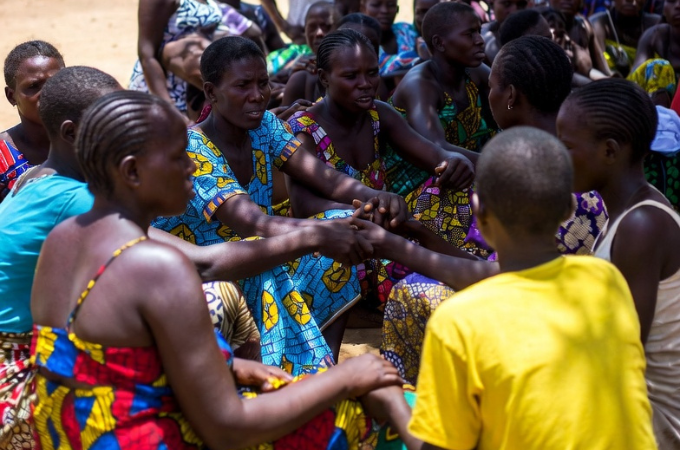
Sexual and gender-based violence (SGBV) remains a serious and growing public health and social concern among women and teenage girls in Ghana’s Northern and North East regions, according to a new study funded by the African Women Development Fund (AWDF) and led by SWIDA Ghana in collaboration with the Total Life Enhancement Centre Ghana (TOLECGH).
Per gbcghanaonline, the research, spearheaded by psychologist and University for Development Studies lecturer Peter Mintir Amadu, used a mixed-methods approach to survey 512 teenage girls aged 13 to 18 across Tamale, Sagnerigu, and Walewale. The survey was complemented by focus group discussions, survivor interviews, and engagements with professionals and community leaders.
Key findings show that 90% of respondents had experienced some form of SGBV. Among these:
-
41% reported at least one incident.
-
38% experienced repeated or occasional abuse.
The most common forms of abuse were:
-
Emotional violence (35%)
-
Physical and verbal abuse (25%)
-
Sexual violence (20%)
-
Economic abuse (10%)
Most incidents occurred in spaces considered “safe”: 55% at home and 35% in school, with slightly over 10% in workplaces or other settings.
The Psychological Toll
The psychological toll is severe. Nearly 80% of respondents reported psychological distress, with 32% experiencing depression, 51% anxiety, 25% chronic stress, and 54% meeting criteria for post-traumatic stress disorder (PTSD).
Lead researcher Peter Mintir Amadu described SGBV as a “mental health emergency,” noting that many survivors endure trauma without access to counselling or psychosocial care. “SGBV is not just a social issue; it is a mental health emergency,” he said in an interview with GBC News in Tamale.
Awareness of support services exists — 65% of respondents knew of available help — but only 40% of survivors had accessed any assistance. Barriers include stigma, limited knowledge of services, and financial constraints.
Drivers and Gaps in Response
The study identified patriarchal attitudes, polygamy, and victim-blaming as major drivers. Nearly half of respondents said their communities tend to blame victims rather than perpetrators, reinforcing silence and fear.
Qualitative findings revealed gaps in Ghana’s SGBV response framework in the Northern Region, including inadequate psychological services, limited counselling and rehabilitation centres, and concerns about confidentiality. Service providers cited resource shortages and understaffing, while community leaders pointed to weak coordination among institutions.
Researchers stressed the need for survivor-centred responses, including expanded mental health and psychosocial support, stronger policy enforcement, training for more psychologists and social workers, and community-based prevention efforts.
Amadu warned that without decisive action, cycles of trauma and gender inequality will deepen. “Protecting women and girls requires more than laws. It demands functional systems, trained professionals, community ownership and sustained investment in mental health care,” he said.