






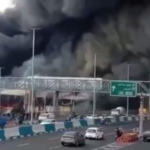
![Hon. Festus Keyamo SAN arrives MMIA past 11:50 p.m. Feb 23 to lead oversight of Terminal 1 fire. Joined FAAN MD & team actively managing situation. Directed morning inspection Tuesday to guide restoration & confirm safety standards. Reaffirmed focus on passenger safety. Story: [link] #KeyamoMMIA #FireIncident #FAAN](https://fullcliphq.com/wp-content/uploads/2026/02/mym-150x150.jpg "MMIA Fire: Keyamo Inspects Lagos Airport After Terminal 1 Blaze Disrupts Flights")

















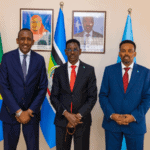

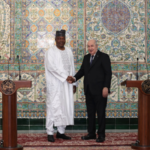
























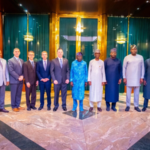






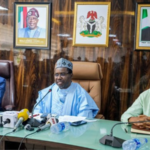






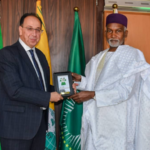





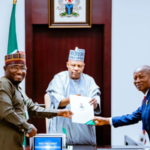








































































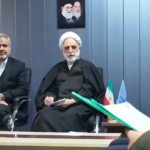
















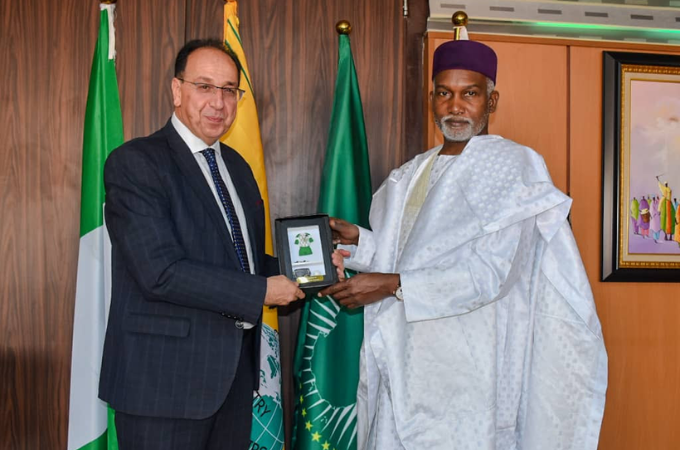
In a move underscoring Nigeria’s longstanding diplomatic solidarity with the Palestinian cause, Minister of Foreign Affairs Ambassador Yusuf Maitama Tuggar received His Excellency Muhannad Halmouri, the Ambassador of the State of Palestine to Nigeria, for a high-level courtesy visit at the Ministry of Foreign Affairs headquarters in Abuja on February 4, 2026.
The meeting focused on bolstering bilateral relations, enhancing consular cooperation, and addressing pressing humanitarian and regional concerns – chief among them the protracted crisis in Gaza.
Key Highlights of the Meeting
-
Principled Support: Ambassador Halmouri expressed deep appreciation for Nigeria’s consistent moral and diplomatic backing, recalling the historic ties dating back to the era of Palestinian leader Yasser Arafat.
-
Humanitarian Briefing: The Ambassador briefed Minister Tuggar on the “prevailing conditions” in Gaza, including security challenges and constraints on humanitarian access.
-
Potential State Visit: Discussions included the prospect of a high-level visit by the Palestinian Minister of Foreign Affairs to Nigeria, which may involve engagements with the National Assembly.
-
Two-State Solution: Nigeria reaffirmed its stance that a Two-State Solution remains the “most dignified path” to lasting peace, as recently articulated by Vice President Kashim Shettima at the 80th UN General Assembly.
Foreign Policy Context: “Strategic Autonomy”
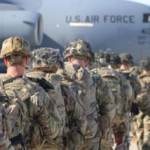
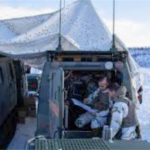
This reaffirmation comes at a time when Nigeria is navigating a complex and polarized global landscape. While maintaining strong security ties with the United States – exemplified by the recent deployment of a small U.S. military team to Nigeria on February 3 – Nigeria continues to assert its “strategic autonomy.”
| Aspect | Nigerian Diplomatic Position |
| Palestine | Consistent advocate for self-determination and an independent state. |
| United States | Pragmatic partner in counterterrorism, intelligence sharing, and military equipment. |
| Multilateralism | Active participant in the OIC and UN, advocating for the rule of law. |
Domestic Significance
For ordinary Nigerians, these diplomatic gestures are met with mixed reactions. While many applaud the government’s moral consistency in supporting oppressed peoples, critics on social media have questioned the “diplomatic bandwidth” allocated to international issues amid domestic economic challenges, such as inflation and the proposed N3.6tn electricity subsidy deduction.
However, pro establishment argue that maintaining a principled foreign policy enhances Nigeria’s global standing and its role as a stabilizing voice within global South-South cooperation and the Organization of Islamic Cooperation (OIC).