





![Hon. Festus Keyamo SAN arrives MMIA past 11:50 p.m. Feb 23 to lead oversight of Terminal 1 fire. Joined FAAN MD & team actively managing situation. Directed morning inspection Tuesday to guide restoration & confirm safety standards. Reaffirmed focus on passenger safety. Story: [link] #KeyamoMMIA #FireIncident #FAAN](https://fullcliphq.com/wp-content/uploads/2026/02/mym-150x150.jpg "MMIA Fire: Keyamo Inspects Lagos Airport After Terminal 1 Blaze Disrupts Flights")
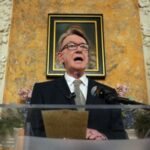

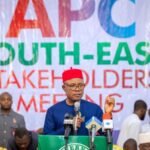




















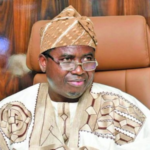













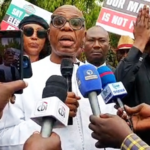















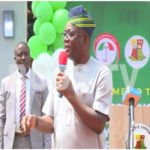























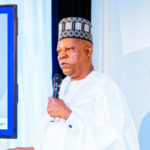


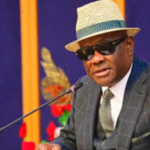



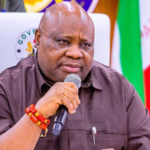










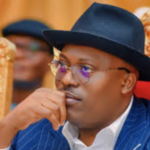






















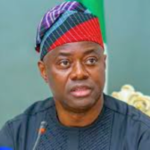












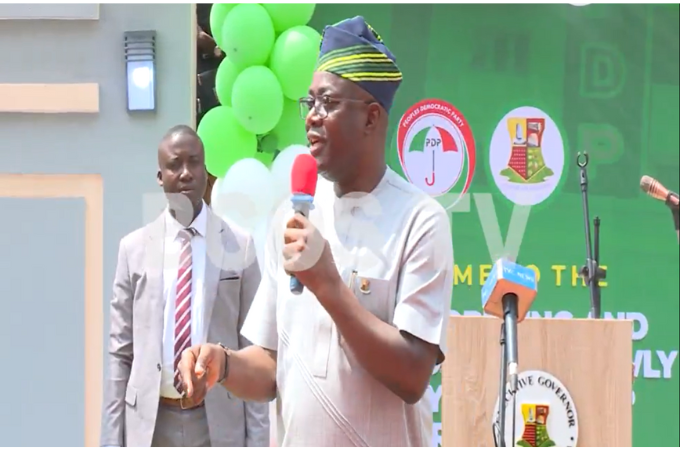
Oyo State Governor Seyi Makinde has launched a scathing verbal attack on Federal Capital Territory Minister Nyesom Wike, branding him a “vagabond” during a heated exchange that has further exposed deep divisions within Nigeria’s main opposition People’s Democratic Party (PDP). The clash – sparked by Wike’s expressed interest in influencing the Oyo State chapter – underscores ongoing power struggles tied to factional loyalties, court rulings, and preparations for a potential national convention.
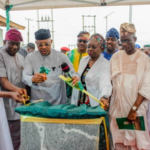
Speaking today at the inauguration of a newly donated PDP secretariat in Ibadan, Makinde did not mince words.
“Nyesom Wike is a vagabond who surfaced fully in 2015 and was expelled in 2025,” he declared, questioning Wike’s legitimacy to interfere in Oyo affairs. “Ask him what he has done with the PDP in Rivers State to now have an interest in Oyo PDP.”
The governor admitted to a past alliance with Wike but claimed he had since “repented” and distanced himself, framing the shift as a principled stand.
The remarks came hours after Wike, at a PDP national caucus meeting on February 2, openly declared interest in the Oyo chapter amid his faction’s advocacy for a March national convention. Supporters of Wike’s group cite a recent court victory as grounds to push forward with the gathering, aiming to resolve lingering leadership disputes.
Wike’s camp responded swiftly and sharply, with allies describing Makinde as a “vagabond in Ibadan” and accusing him of hypocrisy. The retort highlighted perceived inconsistencies in Makinde’s stance, given his earlier collaboration with Wike during the party’s internal crises following the 2023 general elections.
The verbal fireworks reflect broader rifts that have plagued the PDP since the fallout from the 2023 presidential poll. Wike, a key figure in the G5 governors who opposed the party’s national leadership at the time, has maintained significant influence despite defections and expulsions affecting his Rivers base. His current alignment with the ruling All Progressives Congress (APC) government while retaining PDP membership has drawn criticism from purists within the opposition.
Makinde, one of the few remaining PDP governors in the South-West, has positioned himself as a defender of party orthodoxy, often clashing with Wike-aligned factions over zonal and national structures. The donation of the new secretariat – a multi-million naira facility – was presented as a gesture of commitment to strengthening the PDP in Oyo, but the event quickly turned into a platform for the broadside against Wike.
Informed observers describe the exchange as symptomatic of the PDP’s protracted crisis, with factional battles threatening to derail unity efforts ahead of future elections. The push for a March convention by Wike’s side contrasts with calls from other quarters for adherence to existing court orders and NEC decisions, raising fears of parallel structures or further litigation.
Party stakeholders have urged restraint, warning that public spats could weaken the opposition’s ability to challenge the APC in 2027. Yet, the personal nature of the insults suggests reconciliation remains elusive, with loyalties divided along regional and historical lines.
As the PDP navigates these turbulent waters, attention turns to how national leaders will mediate. For now, the Makinde-Wike feud has reignited debates over membership validity, expulsion enforcement, and the party’s path to recovery – issues that continue to define Nigeria’s opposition landscape.